
The 2026 E-Commerce Landscape: Decentralization, AI Agents, and Unified Feeds

The 2026 E Commerce Landscape

The 2026 E-Commerce Landscape: Decentralization, AI Agents, and Unified Feeds

The e-commerce landscape in 2026 is becoming more connected, automated, and data-driven. Brands are no longer competing only for visibility inside a single marketplace or search engine. Customers can discover products through marketplaces, social platforms, search engines, AI assistants, brand websites, and increasingly through AI-driven shopping experiences.


At the same time, sellers are managing more channels, more product data, more advertising campaigns, and more customer touchpoints. The challenge is no longer simply getting products online. It is creating a connected commerce system where product information, inventory, content, imagery, and customer experiences remain consistent across channels.


This is where e-Commerce Marketing, Marketplace Management, e-Commerce Photography, and Online Marketplace Services become increasingly important.


The Shift Toward a More Decentralized E-Commerce Model

E-commerce is becoming less dependent on a single storefront. Brands can sell through Amazon, Walmart, eBay, Etsy, Shopify, social commerce channels, direct websites, and other specialized marketplaces.

This creates opportunities for brands to reach customers in different environments, but it also creates operational complexity. Every additional channel can require product listings, images, pricing, inventory information, descriptions, advertising, and performance monitoring.


AMZ Northland currently supports brands across Amazon, Walmart, eBay, Etsy, Faire, Poshmark, Shopify, and other marketplaces, reflecting the growing importance of multi-channel commerce.

The goal in 2026 is therefore not simply to sell on more platforms. It is to build a coordinated ecosystem where every channel works from accurate and consistent product information.


AI Agents Are Changing Product Discovery

One of the most important developments in e-commerce is the growing role of AI agents and conversational shopping.

Instead of searching through dozens of product pages manually, consumers can increasingly ask AI-powered tools to research products, compare options, summarize reviews, and help them make purchasing decisions.


Recent industry reporting indicates that AI-referred traffic to retail platforms has grown significantly in 2026, with marketplaces benefiting from their large product catalogues, structured information, reviews, and established purchasing infrastructure. 

This creates a new optimization challenge for sellers. Product information needs to be understandable not only to shoppers but also to systems that interpret and compare product data.


Clear titles, accurate attributes, detailed descriptions, high-quality images, structured catalog information, and consistent product data can all contribute to a stronger digital product presence.


Unified Feeds Are Becoming Essential

As brands expand across channels, maintaining accurate product information becomes increasingly difficult.

A product may have one title on Amazon, another on Walmart, a different description on Shopify, and inconsistent images or inventory information elsewhere. These inconsistencies can create operational problems and weaken the customer experience.

Unified product feeds provide a way to centralize important information and distribute it across connected sales channels.


A strong product feed can contain information such as product titles, SKUs, descriptions, categories, dimensions, images, prices, inventory, variations, and other product attributes.

AMZ Northland’s marketplace management services include catalog organization, inventory synchronization, SKU management, feed management, listing maintenance, and multi-marketplace coordination.


For growing brands, this type of centralized product-data approach can make multi-channel expansion more manageable.


Marketplace Management Becomes More Strategic

In previous years, marketplace management could be viewed primarily as maintaining listings and processing updates. In 2026, it increasingly involves coordinating an entire commerce ecosystem.


Marketplace Management can include product listing optimization, catalog management, advertising, inventory coordination, marketplace SEO, performance analysis, creative content, and expansion planning.

The more channels a brand operates, the more valuable centralized oversight becomes.


AMZ Northland provides marketplace management and consulting across Amazon, Walmart, eBay, Etsy, Poshmark, Faire, Shopify, and other platforms, with services covering listing optimization, catalog management, advertising, onboarding, and multi-marketplace strategy.


E-Commerce Photography Still Matters in an AI-Driven Market

While AI is transforming product discovery, visual presentation remains extremely important.


e-Commerce Photography helps customers understand products before purchasing. Clear product images can communicate dimensions, features, materials, colour, usage, and product quality more effectively than text alone.

Professional images also create useful visual assets that can be distributed across multiple channels.


AMZ Northland provides professional product photography, lifestyle imagery, infographics, and marketplace-focused visual content designed to improve product presentation and conversions.

As visual search and AI shopping become more important, maintaining accurate and consistent product imagery across channels can become part of a broader product-data strategy.


SEO Is Moving Toward AI-Readable Commerce

Traditional marketplace SEO remains important, but brands also need to think about how product information is interpreted by AI systems.

This means moving beyond keyword repetition toward comprehensive product information.

A product listing should clearly communicate what the product is, who it is for, its key features, available variations, use cases, and relevant specifications.


This creates a stronger foundation for traditional search while also making product information easier for AI systems and recommendation engines to interpret.

The transition from traditional SEO toward AI-supported discovery is particularly important as consumers increasingly use conversational interfaces to research products.


The Importance of Consistent Product Data

Consistency is becoming one of the foundations of modern e-commerce.

A customer who sees one product colour on a website and another on a marketplace may hesitate to purchase. Similarly, inaccurate inventory information can create poor customer experiences and operational problems.


Unified feeds can help brands maintain consistency between product databases and sales channels.

This is especially valuable for businesses operating large catalogues or selling across Canada and the USA, where different marketplaces, currencies, product variations, and customer expectations may need to be managed simultaneously.

AMZ Northland’s multi-marketplace services are designed to help brands standardize listings, coordinate marketplace strategies, manage product launches, and improve operational efficiency across multiple channels.


What E-Commerce Brands Should Prioritize in 2026

The strongest e-commerce strategies in 2026 will increasingly connect technology, data, content, marketplaces, and customer experience.

Brands should focus on creating reliable product data, maintaining high-quality product imagery, optimizing listings for marketplace search, managing inventory consistently, developing useful content, and preparing product information for AI-driven discovery.


Businesses should also avoid treating every channel as a completely separate operation. A connected approach allows product updates, content improvements, imagery, and strategic decisions to support multiple channels at the same time.

This is particularly important for brands expanding from one marketplace into several. Recent AMZ Northland guidance emphasizes that multi-marketplace growth requires coordinated management of product information, inventory, advertising, pricing, and customer expectations.


How AMZ Northland Supports the 2026 E-Commerce Landscape

AMZ Northland provides e-commerce growth and marketplace management services for brands selling across Canada, the USA, and other markets.


Its services include e-Commerce Marketing, Marketplace Management, e-Commerce Photography, and Online Marketplace Services, along with listing optimization, catalog management, A+ content, advertising support, product photography, and multi-marketplace consulting.


For brands navigating the 2026 e-commerce environment, AMZ Northland helps connect product content, marketplace operations, visual assets, and growth strategies across major commerce platforms.


The future of e-commerce is becoming more distributed, automated, and interconnected. Brands that build unified product data and coordinated marketplace systems can be better positioned to adapt as AI agents and new discovery channels continue changing how customers shop.

Frequently Asked Questions

E-commerce is becoming increasingly multi-channel and AI-driven. Brands are selling across more marketplaces while AI assistants, unified product feeds, and automated discovery are changing how customers find and evaluate products.

AI agents are software systems that can assist with tasks such as product research, comparison, recommendations, and shopping-related decisions. Their growing role makes accurate and structured product information increasingly important.

Unified feeds help businesses maintain consistent product information across multiple sales channels. They can simplify updates to titles, descriptions, images, inventory, pricing, variations, and other product data.

Marketplace Management helps coordinate listings, catalog data, advertising, inventory, optimization, and performance across online marketplaces. This can make multi-channel growth more organized and scalable.

e-Commerce Photography provides customers with clear visual information about products while helping brands maintain consistent presentation across marketplaces, websites, and other digital channels.

AI agents are changing product discovery, but traditional marketplace search remains important. Brands should prepare for both environments by maintaining strong marketplace SEO, accurate product data, high-quality content, and professional imagery.

Yes. AMZ Northland supports brands across Canada and the USA with e-Commerce Marketing, Marketplace Management, e-Commerce Photography, Online Marketplace Services, listing optimization, catalog management, advertising, and multi-marketplace growth strategies.


Optimizing for Visual Search: How Image Metadata Feeds AI Recommendation Engines

Optimizing for Visual Search

Optimizing for Visual Search: How Image Metadata Feeds AI Recommendation Engines

Online shoppers are becoming increasingly visual. Instead of relying only on written product descriptions, customers use product images to understand features, compare products, identify styles, and make purchasing decisions. As search technology evolves, images are also becoming more important to AI-powered recommendation and discovery systems.


For brands selling through Amazon and other online marketplaces, this means product photography and image optimization should be treated as part of the overall search strategy. High-quality images combined with meaningful metadata, relevant product information, structured content, and consistent marketplace listings can help create a stronger digital product presence.


This is where e-Commerce Marketing, Marketplace Management, e-Commerce Photography, and Online Marketplace Services work together to support modern product discovery.


What Is Visual Search Optimization?

Visual search optimization is the process of preparing product images and supporting information so that search engines, marketplaces, and AI-powered systems can better understand visual content.

Traditional SEO primarily works with words. Visual search adds another layer by interpreting elements within an image, including objects, colours, shapes, products, text, and visual relationships.


For e-commerce brands, this makes image quality especially important. A product image should not only look attractive to shoppers but should also communicate what the product is as clearly as possible.

The combination of strong imagery and accurate supporting product information can create a clearer context for search and recommendation systems.


Why Image Metadata Matters

Image metadata provides additional information about a visual asset. Depending on the platform and implementation, this can include file names, alternative text, captions, surrounding page content, structured data, image dimensions, and other technical information.

For example, a file named IMG_4827.jpg provides little descriptive context. A descriptive filename such as black-leather-crossbody-bag.jpg provides a clearer indication of the image subject.


Similarly, useful alt text can describe the product accurately for accessibility and image understanding. However, metadata should be descriptive rather than overloaded with repetitive keywords.

The objective is to create consistent signals between the image, product title, description, specifications, category, and other listing information.


How AI Recommendation Engines Understand Product Images

AI recommendation engines increasingly combine multiple forms of information when determining what products may be relevant to a shopper.

Visual information can be combined with textual product data, customer behaviour, categories, search queries, product attributes, and contextual signals. This means an image does not necessarily operate independently.


Consider a shopper looking for a particular type of handbag. A product listing containing accurate product photography, a descriptive title, relevant attributes, useful product copy, and properly categorized information provides several signals that can help a system understand the product.

For marketplace sellers, consistency matters. If the image shows a brown leather handbag but the listing describes a black synthetic product, the conflicting signals can create confusion for both shoppers and automated systems.


The Role of e-Commerce Photography

e-Commerce Photography is a critical part of visual search optimization because image quality influences both human shoppers and machine interpretation.

Product photography should clearly show the product, its shape, important features, materials, colour, scale, and usage where appropriate. Multiple images can provide different perspectives and help customers understand the product more completely.


Professional photography can also support brand consistency across product listings. When a catalogue contains hundreds or thousands of products, maintaining consistent image standards can make the entire storefront appear more credible and organized.

AMZ Northland’s e-commerce-focused services include product photography and marketplace support designed to help brands present their products professionally across online selling environments.


Visual Search and Marketplace Management

Marketplace Management requires more than uploading product images and descriptions. Sellers need to maintain accurate listings, optimize product information, monitor catalogue quality, and keep visual assets consistent.

Images can support product discovery when they accurately represent the product and align with listing information. Marketplace sellers should therefore review image quality alongside titles, descriptions, attributes, keywords, categories, and other listing elements.


For brands operating across multiple marketplaces, maintaining consistent product data can become particularly important. Different platforms may have different image specifications and content requirements, making asset management part of the broader optimization process.


Combining Image SEO With AEO and GEO

Visual search optimization should also be considered within a broader SEO, GEO, and AEO strategy.


SEO helps make product and category content discoverable through traditional search. AEO, or Answer Engine Optimization, focuses on making information easier for answer engines and AI systems to interpret when responding to customer questions.

GEO, or Generative Engine Optimization, extends this thinking toward generative search and AI-powered discovery.


For e-commerce brands, these strategies can work together. Product images provide visual context, while titles, descriptions, specifications, FAQs, structured data, and supporting content provide textual context.

This creates a more complete information ecosystem around a product.


Image File Names, Alt Text and Supporting Content

Simple technical improvements can strengthen an image optimization strategy.

Descriptive image filenames should accurately identify the product rather than using generic camera-generated names. Alt text should describe the image naturally and accurately, especially when the image conveys important product information.


The surrounding page content also matters. A product image placed alongside a relevant product title and detailed description provides stronger contextual information than an isolated image.

Structured data can further help search engines interpret product information where appropriate. Product names, descriptions, images, prices, availability, ratings, and other relevant attributes can be organized into machine-readable formats.

The key is accuracy and consistency rather than excessive optimization.


Why Visual Search Matters for Online Marketplace Services

As shopping becomes increasingly visual, brands need to consider how customers discover products beyond traditional keyword searches.

Online Marketplace Services can help businesses manage the different elements involved in marketplace visibility, including product listings, content, imagery, catalogue organization, optimization, and ongoing management.


A coordinated approach can ensure that product images and written information communicate the same message across marketplace listings and e-commerce websites.

For businesses competing in crowded product categories, this consistency can contribute to a stronger and more professional digital presence.


How AMZ Northland Supports E-Commerce Brands

AMZ Northland helps e-commerce brands improve their marketplace presence through services covering e-Commerce Marketing, Marketplace Management, e-Commerce Photography, and Online Marketplace Services.

The company focuses on helping brands improve product presentation, marketplace performance, listing quality, and online visibility. Its services are designed for businesses looking to strengthen their presence across major e-commerce environments.


By combining professional product imagery with optimized marketplace content and ongoing management, brands can create product listings that are easier for shoppers and digital platforms to understand.

For businesses targeting customers in Canada and the USA, a structured visual search strategy can become an important part of long-term e-commerce growth.

Frequently Asked Questions

Visual search optimization involves improving product images and their supporting information so search engines, marketplaces, and AI-powered systems can better understand and discover visual content.

Image metadata can provide additional context about an image. Descriptive filenames, useful alt text, captions, and relevant surrounding content can help search engines understand visual assets more effectively.

Professional e-Commerce Photography provides clear, accurate, and consistent product images. Strong imagery helps shoppers understand products while providing useful visual context for digital platforms.

AI systems can analyze visual characteristics and combine them with product information and other signals. Accurate imagery and consistent listing information can help provide clearer context about a product.

Yes. Product images are a major part of marketplace shopping experiences. Clear photography, accurate product information, and well-managed listings can support product discovery and customer decision-making.

GEO and AEO focus primarily on AI-generated and answer-based discovery, while visual search focuses on image-based understanding. Combining visual, textual, structured, and contextual information creates a broader optimization strategy.

Yes. AMZ Northland provides e-Commerce Marketing, Marketplace Management, e-Commerce Photography, and Online Marketplace Services to help e-commerce brands improve their marketplace presence and product presentation.

Information Architecture: Designing Product Infographics That Answer Buyer Objections

Information Architecture

Information Architecture: Designing Product Infographics That Answer Buyer Objections

In a crowded eCommerce marketplace, customers often make decisions before reading an entire product description. They scan product images, headlines, icons, specifications, and comparison visuals to determine whether an item is relevant to their needs. This makes product infographics an important part of modern product-page strategy.


A well-designed infographic does more than make a listing look professional. It organizes information around the questions customers are most likely to ask before purchasing. When information architecture, product photography, marketplace SEO, GEO, and AEO work together, brands can create product experiences that are easier to understand for both shoppers and AI-driven search environments.


What Is Information Architecture for Product Infographics?

Information architecture is the structured organization of information so users can find and understand what matters quickly. Applied to product infographics, it determines which information appears first, how supporting details are grouped, and how the customer moves from a question to an answer.


Instead of presenting random features across several graphics, an effective infographic creates a logical visual journey. It can introduce the main benefit, explain important features, provide measurements, demonstrate usage, compare options, and address potential concerns.


This approach is especially valuable on marketplaces where shoppers frequently compare several products within seconds.


Start With Buyer Questions and Objections

The strongest infographic strategy begins with customer questions rather than graphic elements.

Consider what could make a shopper hesitate. They may wonder whether the product is the correct size, whether the material is durable, whether it works for a particular use, or whether another model offers better value.


Each major concern can become an information opportunity.

For example, a dimensions graphic can reduce uncertainty about size. A feature infographic can explain how a product works. A comparison chart can clarify differences between models. A material-focused image can communicate quality and construction.


The objective is to answer objections before they become reasons to leave the listing.


Create a Clear Visual Hierarchy

Good information architecture requires prioritization. Not every specification deserves equal visual weight.

The primary product benefit should usually be easy to identify first. Supporting features can follow, with technical details, comparisons, and usage information presented in a logical sequence.


This hierarchy becomes even more important for mobile shoppers. Small screens leave less room for dense text and complicated layouts. Short headlines, readable typography, clear icons, strong imagery, and generous spacing can make information easier to scan.


AMZ Northland’s product photography services specifically incorporate infographics, feature callouts, dimensions, specifications, comparison charts, and visual explanations to help shoppers understand product value.


Turn Product Features Into Customer Benefits

A common mistake is designing infographics around features alone.

A feature tells the customer what the product contains. A benefit explains why that feature matters.


For instance, instead of simply showing “multiple compartments,” an infographic can explain how those compartments help organize different items. Rather than only stating a material, the visual can connect that material to durability, comfort, appearance, or another meaningful benefit.

This feature-to-benefit structure improves clarity and supports AEO because it naturally responds to questions customers may ask in conversational search.


Use Comparisons to Simplify Decisions

Comparison infographics can be highly effective when a brand offers multiple products, sizes, colors, models, or configurations.


Rather than forcing shoppers to move between separate product pages, a comparison graphic can summarize meaningful differences. Depending on the category, this may include dimensions, capacity, materials, functionality, intended use, or key features.

The goal should not be to include every specification. It should be to help customers understand which option is most appropriate for their needs.


Comparison-focused visuals can also complement A+ Content and broader marketplace content strategies. AMZ Northland identifies A+ Content and product infographics as part of its visual eCommerce services.


Connect Infographics With e-Commerce Photography

Infographics work best when they are part of a broader visual system.

Professional e-Commerce Photography establishes the product’s appearance, quality, details, and real-world context. Infographics can then add measurements, feature callouts, benefits, comparisons, and explanations.


Together, these assets create a more complete product story.

For example, a hero image can establish what the product is, a lifestyle image can demonstrate how it is used, and an infographic can explain why its specific features matter. AMZ Northland’s photography services include studio imagery, lifestyle images, detail shots, and infographic feature callouts.


Make Product Infographics SEO, GEO, and AEO Friendly

Product visuals should support the information architecture of the entire listing.

SEO helps shoppers discover relevant products through search. GEO helps organize product information so AI-powered search experiences can better understand entities, attributes, use cases, and relationships. AEO focuses on providing direct answers to questions.


A strong product content strategy should therefore reinforce questions such as:

What is this product?

What problem does it solve?

What are its key benefits?

What size or specifications does it have?

Who is it designed for?

How is it different from alternatives?

These answers should be consistent across product titles, descriptions, specifications, A+ Content, infographics, and supporting content.


Design for Multiple Marketplaces

Brands selling through Amazon, Walmart, eBay, Etsy, Shopify, Faire, or other channels need a scalable visual content system. Each platform may have different image requirements and customer expectations, but the underlying product information should remain consistent.


This is where Marketplace Management becomes important. Creative assets should align with listing optimization, catalog data, marketplace SEO, advertising strategy, and product positioning.

AMZ Northland provides marketplace management across multiple platforms, alongside listing optimization, A+ Content, catalog management, photography, and creative services.


Keep the Customer Journey at the Center

The best infographic is not necessarily the one containing the most information. It is the one that communicates the most important information with the least friction.

Every visual element should have a purpose. Ask whether it answers a customer question, removes uncertainty, communicates a benefit, or helps the shopper compare options.


When information architecture is built around buyer intent, product infographics become useful sales assets rather than decorative additions.


How AMZ Northland Supports Product Visual Strategy

AMZ Northland combines e-Commerce Marketing, Marketplace Management, e-Commerce Photography, and Online Marketplace Services to help brands strengthen their marketplace presence.


Its services include listing optimization, marketplace SEO, A+ Content, product photography, infographic design, catalog management, storefront development, advertising support, and multi-marketplace consulting. These capabilities allow brands to connect product presentation with broader marketplace strategy.


For brands competing in Canada and the USA, this integrated approach can help create more consistent, informative, and conversion-focused product experiences.

Frequently Asked Questions

Information architecture is the organization of product information into a logical visual structure, helping shoppers quickly find features, benefits, specifications, and answers to purchasing questions.

They address common concerns such as product size, materials, functionality, compatibility, durability, usage, and differences between product options through concise visual explanations.

Features explain what a product has, while benefits explain why that feature matters. Connecting both helps shoppers understand practical value and make more confident purchasing decisions.

Yes. Product infographics can communicate features, benefits, measurements, comparisons, and usage information while supporting the overall visual presentation of an Amazon listing and A+ Content.

e-Commerce Photography establishes the product visually, while infographics add explanatory information such as measurements, feature callouts, comparisons, and benefits.

Yes. When infographic information is supported by clear product copy, structured information, relevant terminology, and direct answers to customer questions, it can contribute to a broader SEO, GEO, and AEO strategy.

Marketplace Management helps coordinate listings, catalog information, product images, A+ Content, SEO, and marketplace requirements so the customer receives a consistent product experience across sales channels.

Lifestyle Imagery vs. Studio Shots: Which Visuals Actually Stop the Scroll?

Lifestyle Imagery vs. Studio Shots

Lifestyle Imagery vs. Studio Shots: Which Visuals Actually Stop the Scroll?

In eCommerce, customers often see a product image before they read the title, description, reviews, or specifications. That makes visual presentation one of the most important parts of a product listing.


But what type of photography actually captures attention? Should brands prioritize clean studio shots, or do lifestyle images create a stronger connection with shoppers?

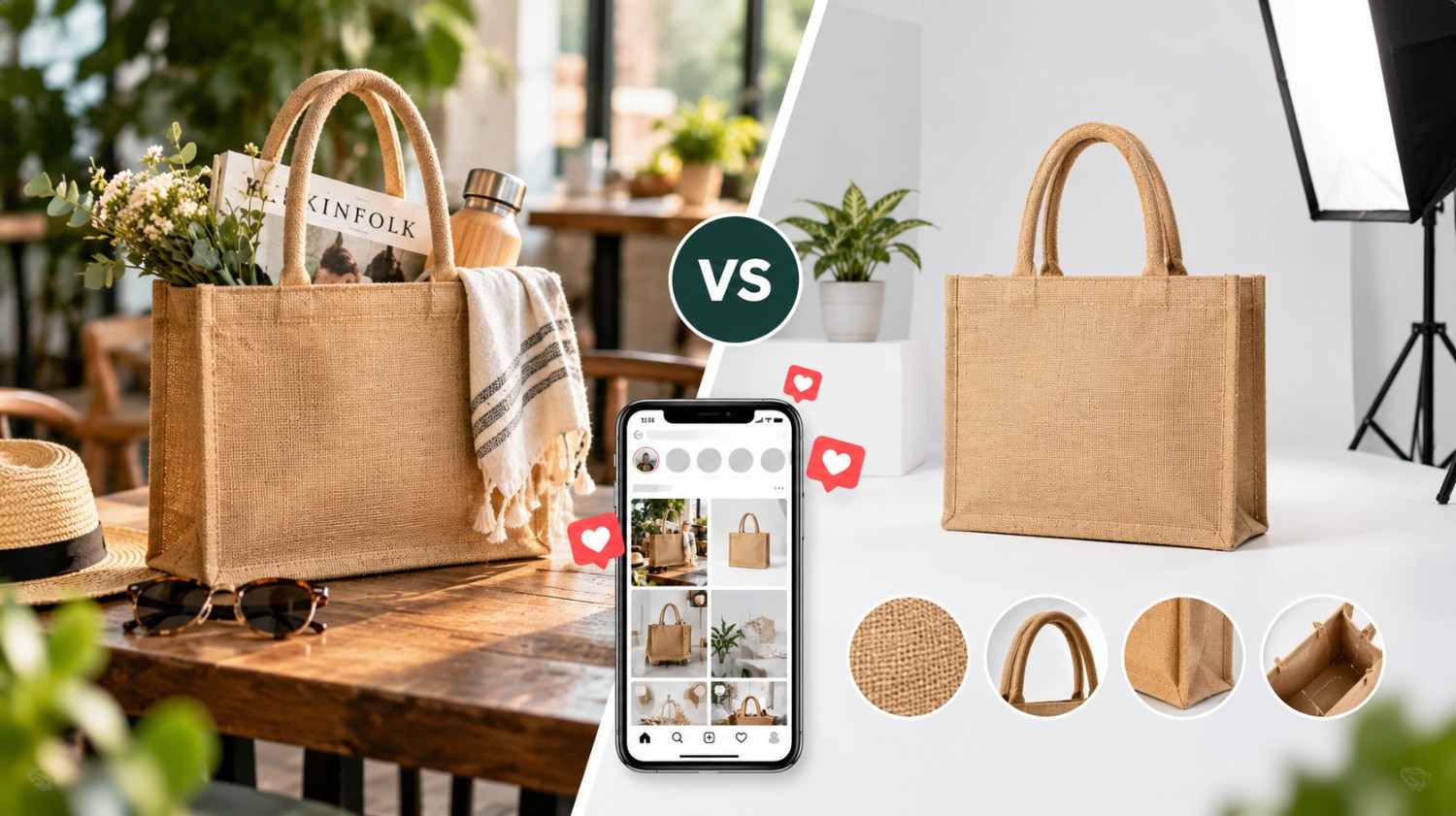
The answer is not simply one or the other. Studio photography provides clarity and product accuracy, while lifestyle imagery adds context, emotion, and a sense of how the product fits into everyday life. A strong visual strategy often combines both.


For brands selling in Canada and the USA, understanding the difference between lifestyle imagery and studio photography can help create stronger product listings and more effective e-Commerce Marketing campaigns.


What Makes Studio Product Photography Effective?

Studio photography places the product at the center of attention. Clean backgrounds, controlled lighting, accurate colors, and detailed compositions allow shoppers to examine what they are considering.


For marketplace listings, this clarity is especially valuable. Customers need to understand the product’s shape, size, material, finish, and key physical characteristics without distractions.


AMZ Northland’s product photography services include clean hero images, detail shots, multiple angles, and marketplace-compliant photography designed to improve product understanding and presentation.


Studio images are therefore particularly effective for the informational stage of the buying journey. They answer a basic question: “What exactly am I buying?”

Why Lifestyle Imagery Stops the Scroll

Lifestyle photography answers a different question: “What would this product look like in my life?”


Instead of showing an item by itself, lifestyle imagery places it in a relevant environment. A handbag might be shown during travel, a home product in a styled room, or an accessory being used as part of an outfit.

This creates context that a plain product image cannot always communicate.


AMZ Northland notes that lifestyle visuals can help customers visualize products in real-world situations while creating emotional connections and improving engagement.

This makes lifestyle imagery particularly powerful for social media, advertising, marketplace galleries, and product pages where brands need to capture attention quickly.


Lifestyle vs. Studio: Which One Converts Better?

There is no universal winner because the two formats serve different purposes.


Studio shots are excellent for accuracy, consistency, product details, and marketplace requirements. Lifestyle images are stronger for storytelling, emotional appeal, context, and brand differentiation.

The most effective product image strategy often uses both.


A primary studio image can immediately establish what the product is. Additional lifestyle images can demonstrate how it is used. Detail shots can communicate craftsmanship or materials, while infographics can explain dimensions, features, and benefits.


AMZ Northland recommends a combination of white-background hero imagery, lifestyle images, infographics, and detail photography for marketplace listings.


The First Image Has a Different Job

Not every image in a product gallery needs to accomplish the same objective.

The primary image should communicate the product quickly and clearly. Supporting images can then build desire and answer questions.


This distinction is important because shoppers often scroll rapidly, particularly on mobile devices. The first visual needs immediate clarity, while the following images should progressively provide more information.

A strong sequence might begin with a clean studio image, move into a lifestyle scene, highlight key features with an infographic, show product details, and finish with another usage scenario.

This creates a visual story rather than a collection of unrelated photographs.


Lifestyle Photography Builds Brand Personality

Studio photography can create consistency, but lifestyle imagery can give a brand personality.


Two companies may sell similar products, yet their lifestyle photography can make them appear completely different. One might use minimalist interiors and neutral styling, while another uses vibrant environments and energetic models.

The visual setting becomes part of the brand message.


For premium products, lifestyle imagery can communicate aspiration. For practical products, it can demonstrate usefulness. For fashion products, it can show styling possibilities. For home products, it can demonstrate scale and placement.


This is why e-Commerce Photography should be connected to the broader brand strategy rather than treated as a simple product-listing requirement.


Lifestyle Images Are Powerful for Social and Advertising

A clean studio image is highly useful on product pages, but lifestyle imagery can have an additional advantage: it naturally fits visual marketing channels.


Social media feeds, display advertising, paid campaigns, and brand storytelling often benefit from images that communicate an idea quickly.

A lifestyle photograph can show the product and the experience surrounding it in one frame.


This makes lifestyle imagery a valuable asset beyond marketplaces. A single professionally produced scene may be adapted for social media marketing, advertising campaigns, website banners, email campaigns, and other e-Commerce Marketing activities.


Product Photography and Marketplace Management

Visual content also needs to work within a larger marketplace strategy.

Businesses selling across Amazon, Walmart, eBay, Etsy, Poshmark, Shopify, and other platforms need consistent product presentation while adapting images to the requirements and customer behavior of each channel.


This is where Marketplace Management becomes important. Product photography, listing optimization, catalog organization, A+ Content, advertising, and product positioning should work together.

AMZ Northland provides marketplace management across multiple platforms and combines listing optimization, creative services, catalog management, and marketplace strategy.


The Importance of Mobile-First Visuals

Many shoppers encounter product imagery on relatively small screens. Images therefore need to communicate their message without requiring excessive zooming or careful inspection.


Strong contrast, clear composition, recognizable product shapes, and uncluttered layouts can help images remain understandable on mobile devices.

Lifestyle imagery should also avoid excessive visual complexity. The environment should support the product rather than compete with it.


Studio photography has an advantage here because its controlled composition makes the product immediately identifiable.

Use Data to Refine Your Visual Strategy

Photography should not be based entirely on personal preference. Brands can evaluate performance through metrics such as click-through rates, engagement, conversion rates, and customer feedback.


If lifestyle imagery attracts attention but studio photography helps customers make purchasing decisions, both have a role.

Testing different image sequences, lifestyle environments, crops, models, backgrounds, and feature callouts can reveal which visual combinations work best for a particular audience.


The objective is to build an image system based on customer behavior rather than assumptions.


A Visual Strategy That Works Across Channels

The strongest approach is usually not lifestyle versus studio. It is lifestyle plus studio.

Studio imagery establishes accuracy and clarity. Lifestyle imagery creates context and emotional appeal. Detail shots demonstrate quality. Infographics explain benefits. A+ Content connects visuals with brand storytelling.


Together, these assets can create a stronger customer journey from initial attention to purchase confidence.


For businesses seeking Online Marketplace Services, photography should therefore be integrated with listing optimization, marketplace SEO, catalog management, advertising, and conversion strategy.


How AMZ Northland Supports eCommerce Visual Strategy

AMZ Northland helps brands improve their marketplace presence through e-Commerce Marketing, Marketplace Management, e-Commerce Photography, and Online Marketplace Services.


Its creative services include studio photography, lifestyle imagery, product detail shots, infographics, A+ Content, and marketplace-compliant visual assets.


AMZ Northland also combines photography with listing optimization, catalog management, marketplace SEO, advertising, and multi-channel strategy across platforms such as Amazon, Walmart, eBay, Etsy, Poshmark, Faire, and Shopify.


For brands in Canada and the USA, the goal is not simply to create attractive images. It is to create visuals that capture attention, communicate value, strengthen brand recognition, and help customers feel confident about purchasing.


The most effective visual strategy gives every image a specific job. Studio photography tells shoppers what the product is. Lifestyle imagery shows why they might want it. Together, they can create a product presentation that is both informative and impossible to ignore.

Frequently Asked Questions

Neither format is universally better. Studio images provide clarity and product accuracy, while lifestyle imagery provides context and emotional appeal. Combining both can create a more complete product presentation.

Lifestyle images help customers visualize products in real-world situations. They can communicate usage, create emotional connections, strengthen brand personality, and make product content more engaging.

Studio images are ideal for showing the product clearly, accurately, and consistently. They are particularly useful for hero images, product details, multiple angles, and marketplace listing requirements.

Strong lifestyle photography can help customers understand how a product fits into their lives and can increase engagement. However, conversion performance depends on the complete listing, including pricing, reviews, product quality, copy, and other factors.

The ideal number depends on the marketplace, category, product, and available information. AMZ Northland notes that many listings use approximately six to nine images covering different angles, features, usage scenarios, and details.

e-Commerce Photography provides the visual assets required for product listings, A+ Content, advertising, websites, and marketplace storefronts. Integrating photography with Marketplace Management helps keep product presentation consistent while supporting channel-specific requirements.

Yes. A well-planned photography session can produce studio images, lifestyle scenes, detail shots, advertising assets, social media content, website visuals, and marketplace imagery. This can make professional photography a valuable component of broader e-Commerce Marketing.