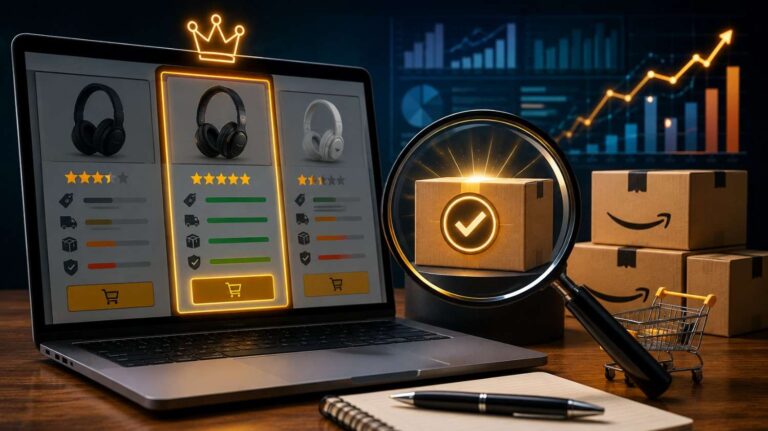
Reverse-Engineering the Amazon Buy Box: Why Your Competitor Wins Every Time

Reverse Engineering the Amazon Buy Box Why Your Competitor Wins Every Time

Reverse-Engineering the Amazon Buy Box: Why Your Competitor Wins Every Time


Winning the Amazon Buy Box is one of the most important factors for increasing sales on Amazon. The majority of purchases are completed through the Buy Box, making it essential for sellers who want consistent revenue and long-term marketplace growth.


Many businesses believe the lowest price automatically wins the Buy Box. In reality, Amazon evaluates multiple performance signals before selecting the seller displayed in the Buy Box. If your competitors consistently win, there are usually several underlying reasons beyond pricing.


Understanding how Amazon evaluates sellers allows businesses to improve performance, increase visibility, and maximize conversions.


What Is the Amazon Buy Box?

The Amazon Buy Box is the section on a product detail page where customers click “Add to Cart” or “Buy Now.” When multiple sellers offer the same product, Amazon determines which seller receives the Buy Box based on overall performance rather than price alone.


Since most shoppers purchase directly from the Buy Box without reviewing other sellers, winning it can dramatically increase sales and customer trust.


Why Your Competitor Keeps Winning

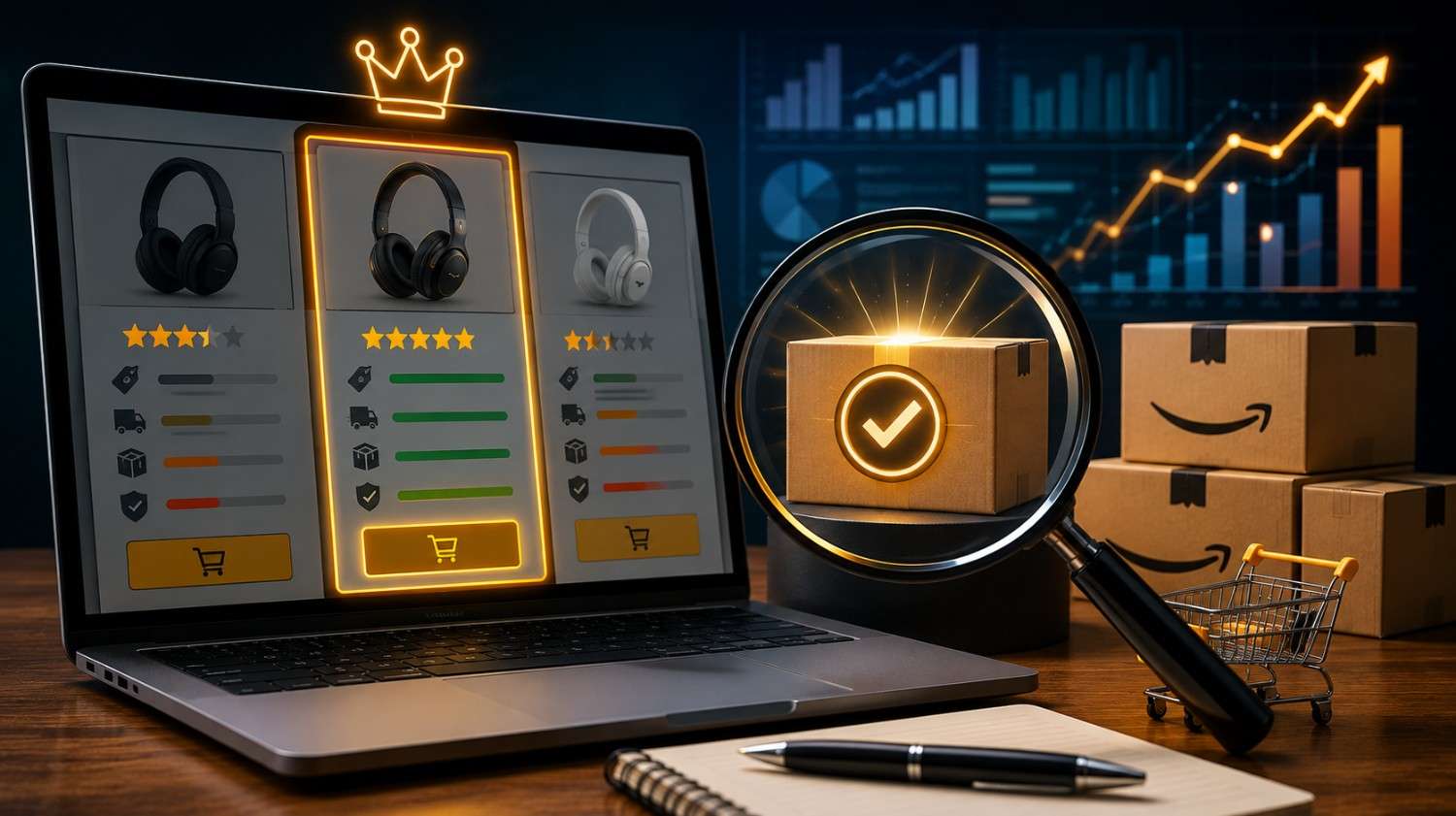
Amazon uses sophisticated algorithms that analyze seller performance continuously. A competitor who consistently wins the Buy Box typically demonstrates stronger operational performance across several important areas.


Competitive pricing remains important, but pricing alone rarely determines Buy Box ownership. Sellers with excellent customer service, fast shipping, high inventory availability, and strong account health often outperform businesses offering slightly lower prices.


Amazon rewards sellers that provide the best overall customer experience.


Key Factors That Influence the Buy Box

Several elements work together when Amazon decides who receives Buy Box placement.


Competitive Pricing

Your product price must remain competitive when considering both the item price and shipping costs. Extremely low pricing is not always necessary, but consistently overpriced listings reduce Buy Box eligibility.


Fulfillment Method

Fulfillment by Amazon (FBA) often improves Buy Box performance because Amazon controls storage, shipping, delivery speed, and customer service. Sellers using Fulfillment by Merchant (FBM) can also compete successfully when they maintain excellent shipping performance.


Inventory Availability

Products that frequently go out of stock lose Buy Box opportunities. Maintaining healthy inventory levels helps Amazon confidently recommend your offer.


Seller Performance Metrics

Amazon closely monitors account health, including order defect rate, cancellation rate, late shipment rate, customer feedback, and policy compliance.


Strong performance signals increase Buy Box eligibility over time.


Fast Delivery

Customers value quick shipping. Sellers offering faster delivery options often receive higher Buy Box priority, especially for Prime-eligible products.


How to Improve Your Buy Box Percentage

Improving Buy Box performance requires consistent optimization rather than one-time changes.


Regularly monitor competitor pricing while maintaining healthy profit margins. Optimize inventory forecasting to prevent stock shortages and ensure products remain available throughout the year.


Review seller performance metrics frequently and resolve customer issues quickly. Faster response times, excellent customer service, and positive feedback strengthen account health.


Businesses should also optimize listings with accurate product information, high-quality images, keyword-rich content, and complete product attributes to improve conversions once customers reach the listing.


Common Mistakes Sellers Make

Many sellers assume price is the only factor influencing Buy Box ownership. Others neglect inventory planning, ignore customer feedback, or allow account performance metrics to decline.


Poor fulfillment performance, inaccurate listings, inconsistent pricing, and slow shipping all reduce Buy Box competitiveness.


Successful sellers continuously monitor marketplace data and adjust strategies as competition changes.


Long-Term Buy Box Success

Winning the Buy Box consistently requires operational excellence. Businesses that invest in inventory management, pricing strategies, listing optimization, advertising, customer satisfaction, and account health create stronger long-term performance.


As Amazon continues refining its algorithms, sellers that focus on delivering outstanding customer experiences will remain the most competitive.


Rather than chasing short-term wins, businesses should develop sustainable marketplace strategies that improve both Buy Box ownership and overall profitability.


Why Choose AMZ Northland?

AMZ Northland helps brands maximize Amazon performance through professional marketplace management, Buy Box optimization, pricing strategies, listing optimization, Amazon SEO, advertising management, catalog management, inventory planning, account health monitoring, and performance analytics. Our experienced team works with businesses across Canada and the USA to improve visibility, increase conversions, strengthen marketplace performance, and achieve long-term Amazon growth.

Archives
Recent Comments

      Request a quote

      Frequently Asked Questions

      The Amazon Buy Box is the purchase section where customers click “Add to Cart” or “Buy Now” when multiple sellers offer the same product.

      No. Amazon evaluates pricing along with fulfillment, customer service, account health, inventory availability, and seller performance.

      Yes. FBA often increases Buy Box eligibility because Amazon manages fulfillment and customer service.

      Common reasons include higher pricing, poor account health, low inventory, slower shipping, and weaker seller performance metrics.

      Positive seller feedback and excellent customer service improve account trust and Buy Box eligibility.

      Yes. New sellers can compete by maintaining competitive pricing, excellent service, strong inventory, and healthy account performance.

      AMZ Northland provides expert Amazon marketplace management, Buy Box optimization, Amazon SEO, advertising management, and account growth services for businesses across Canada and the USA.
      How to Start Selling on Amazon Canada

      How to Start Selling on Amazon Canada (Step by Step Guide)

      How to Start Selling on Amazon Canada


      Selling on Amazon Canada is one of the fastest ways for businesses to reach millions of online shoppers. Whether you’re launching a new brand or expanding an existing business, Amazon Canada’s growing marketplace provides access to customers looking for quality products in nearly every category.


      However, success on Amazon requires much more than creating a seller account. From product research and account setup to listing optimization, inventory management, advertising, and fulfillment, every step contributes to long-term growth.


      This guide explains how to start selling on Amazon Canada while building a strong foundation for sustainable success.


      Why Sell on Amazon Canada?

      Amazon Canada continues to attract millions of shoppers every month, making it one of the country’s largest eCommerce marketplaces. Businesses benefit from Amazon’s trusted reputation, secure payment system, nationwide logistics network, and advanced marketing tools.


      For Canadian businesses, selling on Amazon creates opportunities to increase brand awareness, generate recurring sales, and eventually expand into international marketplaces, including Amazon USA.


      Step 1: Choose the Right Products

      Product selection is the most important decision when starting an Amazon business.


      Look for products with consistent demand, manageable competition, healthy profit margins, and positive customer interest. Analyze pricing trends, customer reviews, seasonal demand, and competing listings before investing in inventory.


      Successful sellers focus on solving customer problems instead of simply selling products.


      Step 2: Create Your Amazon Seller Account

      Register for an Amazon Seller Central account using your business information, tax details, banking information, and identity verification documents.


      Choose between an Individual or Professional selling plan depending on your expected sales volume. Most growing businesses benefit from the Professional plan because it offers additional selling tools, advertising features, and inventory management capabilities.


      Step 3: Create Optimized Product Listings

      Your product listing directly influences visibility and conversions.


      An optimized listing should include:

      • Keyword-rich product titles

      • High-quality product images

      • Detailed bullet points

      • Informative product descriptions

      • Backend search terms

      • Relevant attributes

      • Accurate product specifications


      Well-optimized listings improve discoverability while helping customers make informed purchasing decisions.


      Step 4: Choose a Fulfillment Method

      Amazon sellers typically choose between Fulfillment by Amazon (FBA) and Fulfillment by Merchant (FBM).


      FBA allows Amazon to store, pack, ship, and handle customer service for your products. This option often increases customer trust and eligibility for Prime shipping.


      FBM gives sellers greater control over inventory and shipping but requires managing logistics independently.


      The right fulfillment strategy depends on your products, operational capabilities, and business goals.


      Step 5: Launch Advertising Campaigns

      Even excellent products need visibility.


      Amazon Sponsored Products, Sponsored Brands, and Sponsored Display campaigns help increase product exposure while generating valuable sales data.


      Advertising also supports keyword ranking, brand awareness, and long-term organic growth when managed strategically.


      Step 6: Monitor Performance and Optimize

      Successful Amazon businesses continuously improve their listings based on customer behavior.


      Monitor important metrics such as:

      • Conversion rate

      • Click-through rate

      • Advertising performance

      • Customer reviews

      • Inventory levels

      • Buy Box percentage

      • Return rates

      Regular optimization helps maintain competitiveness while improving profitability.


      Common Mistakes New Sellers Should Avoid

      Many new sellers focus only on launching products without investing in listing quality, keyword research, inventory planning, or advertising. Others underestimate the importance of customer reviews and account health.


      Building a successful Amazon business requires consistent optimization, excellent customer service, competitive pricing, and data-driven decision-making.


      Businesses that continually improve their marketplace strategy generally achieve stronger long-term growth.


      Expanding Beyond Amazon Canada

      After establishing success on Amazon Canada, many businesses expand into Amazon USA to reach a much larger customer base.


      Cross-border expansion allows sellers to increase revenue, diversify markets, and strengthen brand recognition while leveraging experience gained from the Canadian marketplace.


      Careful planning, compliance, and localized optimization are essential for successful international growth.


      Why Choose AMZ Northland?

      AMZ Northland helps businesses launch, manage, and grow successful Amazon stores through professional marketplace management services. Our experienced team specializes in Amazon account setup, product research, listing optimization, SEO, A+ Content, advertising management, inventory planning, catalog management, and account growth strategies. We help brands improve visibility, increase conversions, and expand across Canada and the USA with customized eCommerce solutions designed for long-term marketplace success.

      Archives
      Recent Comments

          Request a quote

          Frequently Asked Questions

          Create an Amazon Seller Central account, choose products, optimize listings, select a fulfillment method, and begin marketing your products.

          Many sellers register as businesses, although requirements vary depending on your selling model and tax obligations.

          FBA is ideal for businesses seeking Amazon-managed fulfillment, while FBM offers greater control over storage and shipping.

          Amazon SEO improves product visibility, helping listings rank higher in search results and attract more customers.

          Yes. Many businesses successfully expand into Amazon USA after building experience in the Canadian marketplace.

          Growth depends on product selection, optimization, advertising strategy, competition, and ongoing marketplace management.

          AMZ Northland provides expert Amazon marketplace management, SEO, advertising, catalog optimization, and growth strategies for businesses across Canada and the USA.
          How to Launch a Product on Amazon (Step-by-Step)

          How to Launch a Product on Amazon (Step-by-Step)

          How to Launch a Product on Amazon (Step-by-Step)


          Launching a product on Amazon is one of the most exciting milestones for any eCommerce business. However, success on the marketplace is about much more than simply listing a product and waiting for sales. Every successful launch is backed by careful planning, market research, optimized listings, inventory management, and an effective marketing strategy. Whether you are introducing your first product or expanding an established catalog, a structured launch process significantly improves your chances of generating visibility, conversions, and long-term growth.


          Amazon is one of the most competitive online marketplaces in the world, with millions of products competing for customer attention. Sellers who prepare every stage of their product launch are more likely to achieve stronger rankings, better customer engagement, and sustainable sales performance. This guide explains the essential steps involved in launching a product successfully on Amazon.


          Start with Thorough Product Research

          Every successful Amazon launch begins with choosing the right product. Before investing in inventory, sellers should evaluate customer demand, market trends, pricing opportunities, and competitor performance. Understanding what customers are searching for helps identify products with strong sales potential while avoiding categories that are already saturated.


          Research should also focus on customer reviews to understand what buyers appreciate and where competing products can be improved. Identifying gaps in the market creates opportunities to introduce products that better meet customer expectations.


          A data-driven product selection process lays the foundation for a successful launch and supports long-term profitability.


          Understand Your Target Audience

          Knowing your target audience is essential before creating your Amazon listing.


          Successful sellers understand who their customers are, what problems they are trying to solve, and which product features matter most during purchasing decisions. A clear understanding of customer behavior allows sellers to write more persuasive product content while selecting images and branding that appeal directly to their audience.


          Products designed around customer needs generally achieve higher conversion rates and stronger customer satisfaction over time.


          Create a Fully Optimized Amazon Listing

          Your product listing is one of the most important factors influencing visibility and conversions.


          A high-performing Amazon listing includes a keyword-optimized title, informative bullet points, a compelling product description, relevant backend search terms, and high-quality product images. Every element should clearly communicate product features, benefits, and value while naturally incorporating SEO, GEO, and AEO keywords that improve discoverability across search platforms.


          Well-structured listings help Amazon understand product relevance while providing customers with the information needed to make confident purchasing decisions.


          Invest in Professional Product Images

          Online shoppers cannot physically examine products before buying, making product photography extremely important.


          Professional images should display the product from multiple angles while highlighting important details, dimensions, and usage scenarios. Lifestyle images help customers visualize how the product fits into everyday life, increasing confidence during the buying process.


          High-quality visuals improve click-through rates, increase customer trust, and often contribute to higher conversion rates compared to low-quality images.


          Prepare Inventory Before Launch

          Inventory planning is critical to a successful Amazon product launch.


          Running out of stock shortly after launch can negatively affect sales momentum and product visibility. Sellers should carefully estimate demand, monitor inventory levels, and maintain sufficient stock to support marketing activities during the launch period.


          Reliable inventory management also helps maintain consistent order fulfillment and creates a better customer experience throughout the product lifecycle.


          Build Visibility During the Launch

          A successful launch requires more than publishing a listing.


          Generating visibility through Amazon advertising, promotional campaigns, social media marketing, email marketing, influencer collaborations, and external traffic sources helps attract early visitors to the product page.


          Early customer engagement and sales activity send positive signals that can contribute to stronger marketplace visibility over time. Consistent marketing efforts also help introduce new products to a wider audience while strengthening brand awareness.


          Businesses should continue refining their promotional strategy based on campaign performance and customer behavior.


          Monitor Performance and Optimize Continuously

          Launching a product is only the beginning of its journey.


          Successful Amazon sellers regularly monitor important performance indicators such as traffic, conversion rates, keyword rankings, customer reviews, advertising results, and sales trends. This information helps identify opportunities for continuous improvement.


          Updating product listings, refining keywords, improving images, adjusting pricing strategies, and responding to customer feedback all contribute to better long-term marketplace performance.


          Continuous optimization ensures products remain competitive as customer preferences and marketplace conditions evolve.


          Build Long-Term Customer Trust

          Customer satisfaction plays a significant role in Amazon success.


          Delivering quality products, maintaining accurate product information, responding professionally to customer questions, and encouraging positive shopping experiences contribute to stronger reviews and repeat business.


          Building trust helps improve brand reputation while supporting future product launches and catalog expansion.


          Businesses that consistently focus on customer value are better positioned for sustainable growth on Amazon.


          Conclusion

          Launching a product on Amazon requires careful preparation, market research, optimized listings, professional branding, inventory planning, and ongoing performance monitoring. Every stage of the launch process contributes to product visibility, customer engagement, and long-term marketplace success. Businesses that invest in strategic planning and continuous optimization are more likely to achieve sustainable growth in today’s competitive eCommerce environment. AMZ Northland helps brands and sellers launch products with confidence by providing expert Amazon consulting, listing optimization, catalog management, keyword research, marketplace strategy, and ongoing eCommerce growth solutions tailored to businesses of all sizes.

          Archives
          Recent Comments

              Request a quote

              Frequently Asked Questions

              The first step is conducting detailed product and market research to understand customer demand, competition, pricing opportunities, and sales potential.

              An optimized listing improves product visibility, increases search relevance, enhances customer understanding, and supports higher conversion rates.

              Professional images help customers understand the product, build confidence, improve click-through rates, and contribute to better purchasing decisions.

              Adequate inventory helps maintain consistent availability during the launch period and supports uninterrupted sales performance.

              Visibility can be improved through Amazon advertising, content marketing, social media promotion, email campaigns, influencer partnerships, and ongoing SEO optimization.

              Regular optimization helps improve keyword rankings, listing performance, customer engagement, advertising efficiency, and overall sales growth.

              AMZ Northland provides Amazon product launch strategies, listing optimization, keyword research, catalog management, advertising support, marketplace consulting, and ongoing eCommerce growth services that help businesses build long-term success on Amazon.

              Sponsored Products vs Sponsored Brands: Which Works Best?

              Sponsored Products vs Sponsored Brands: Which Works Best?

              Sponsored Products vs Sponsored Brands: Which Works Best?


              Amazon advertising has become an essential part of growing a successful eCommerce business. With millions of products competing for visibility, sellers need strategic advertising campaigns to increase traffic, improve conversions, and drive revenue. Among Amazon’s most popular advertising solutions are Sponsored Products and Sponsored Brands.


              Many sellers ask the same question: Which works best? The answer depends on your business goals, budget, product portfolio, and stage of growth. Understanding the strengths of each advertising format can help sellers make better marketing decisions and maximize their return on investment.


              This guide explores Sponsored Products and Sponsored Brands, their benefits, differences, and how they fit into a successful Amazon advertising strategy.


              Understanding Sponsored Products

              Sponsored Products are keyword-targeted advertisements that promote individual product listings. These ads appear within Amazon search results and product detail pages, making them one of the most effective methods for driving immediate sales.


              Because Sponsored Products focus directly on individual ASINs, they are often the first advertising option used by Amazon sellers. Customers clicking these ads are taken directly to the product page, creating a shorter path to purchase.


              One of the biggest advantages of Sponsored Products is their ability to generate conversions quickly. Since shoppers already have purchasing intent, these ads often produce strong sales performance when properly optimized.


              Sponsored Products are especially effective for:

              • New product launches

              • Increasing product visibility

              • Driving direct sales

              • Improving organic rankings

              • Testing keyword performance


              Understanding Sponsored Brands

              Sponsored Brands focus on promoting a brand rather than a single product. These ads typically appear at the top of Amazon search results and feature a custom headline, brand logo, and multiple products.


              Unlike Sponsored Products, Sponsored Brands help build brand awareness and encourage shoppers to explore a wider product catalog.


              When customers click a Sponsored Brand ad, they may be directed to a custom Amazon Store or a collection of products rather than a single listing.


              Sponsored Brands are valuable for:

              • Building brand recognition

              • Promoting multiple products

              • Increasing customer loyalty

              • Expanding product discovery

              • Driving traffic to Amazon Stores


              For established brands with several products, Sponsored Brands can significantly improve long-term visibility and customer engagement.


              Key Differences Between Sponsored Products and Sponsored Brands

              While both advertising formats operate within Amazon’s advertising ecosystem, their objectives are different.


              Sponsored Products focus on direct product sales. Their primary goal is generating conversions and revenue from specific products.


              Sponsored Brands focus on brand growth. Their objective is increasing brand awareness, customer trust, and engagement across multiple products.


              Sponsored Products generally require less creative development because they primarily use existing product listing content. Sponsored Brands require additional assets such as logos, headlines, and store pages to achieve maximum effectiveness.


              Which Advertising Format Delivers Better Results?

              There is no universal winner because performance depends on campaign objectives.


              If your goal is immediate sales and measurable conversion performance, Sponsored Products often deliver stronger short-term results. These campaigns target shoppers actively searching for products and typically generate a lower cost per acquisition.


              However, if your objective is building a recognizable brand presence, Sponsored Brands can provide significant long-term value. They help establish authority, increase product discovery, and create a stronger customer experience.


              Many successful Amazon sellers use both formats together. Sponsored Products capture purchase-ready shoppers, while Sponsored Brands strengthen brand awareness and customer loyalty.


              The Role of SEO, GEO, and AEO in Amazon Advertising

              Advertising performance improves significantly when supported by optimized product content.


              Amazon SEO ensures product listings are properly optimized for relevant keywords and customer search intent. Strong SEO helps both ad types achieve better performance.


              Generative Engine Optimization (GEO) has become increasingly important as AI-powered search engines influence purchasing decisions. Well-structured product content improves visibility within AI-generated recommendations and product discovery systems.


              Answer Engine Optimization (AEO) focuses on creating content that directly answers customer questions. Listings optimized for AEO can improve engagement, conversion rates, and customer satisfaction.


              Combining paid advertising with SEO, GEO, and AEO strategies creates a more comprehensive Amazon growth strategy.


              Building an Effective Amazon Advertising Strategy

              The most successful brands rarely rely on a single advertising format.


              A balanced strategy often includes:

              • Sponsored Products for sales generation

              • Sponsored Brands for brand awareness

              • Amazon SEO for organic visibility

              • GEO optimization for AI search discovery

              • AEO optimization for customer engagement

              By integrating these elements, sellers can achieve both immediate and long-term growth.


              Final Thoughts

              When comparing Sponsored Products and Sponsored Brands, the best solution often involves using both strategically. Sponsored Products are excellent for driving direct sales and improving product visibility, while Sponsored Brands help build a recognizable brand and encourage broader product discovery.


              Businesses looking to maximize Amazon advertising performance can benefit from professional campaign management and optimization services. AMZ Northland helps Amazon sellers improve advertising results through keyword research, listing optimization, Sponsored Products management, Sponsored Brands strategy, catalog management, and marketplace growth solutions. Their expertise helps brands increase visibility, improve conversions, and scale successfully in competitive Amazon marketplaces.

              Archives
              Recent Comments

                  Request a quote

                  Frequently Asked Questions

                  Sponsored Products promote individual products, while Sponsored Brands promote an entire brand and multiple products through branded advertisements.

                  Sponsored Products are often the preferred starting point because they focus on direct sales and require fewer creative assets.

                  Yes. Sponsored Brands are specifically designed to increase brand visibility, recognition, and customer engagement.

                  In many cases, Sponsored Products generate lower acquisition costs because they target shoppers with strong purchasing intent.

                  Yes. Many successful Amazon advertisers combine both formats to maximize sales and brand growth.

                  SEO improves organic visibility and listing quality, which can enhance advertising performance and increase conversion rates.

                  Yes. Expert campaign management can help improve targeting, reduce wasted ad spend, increase conversions, and maximize return on investment.