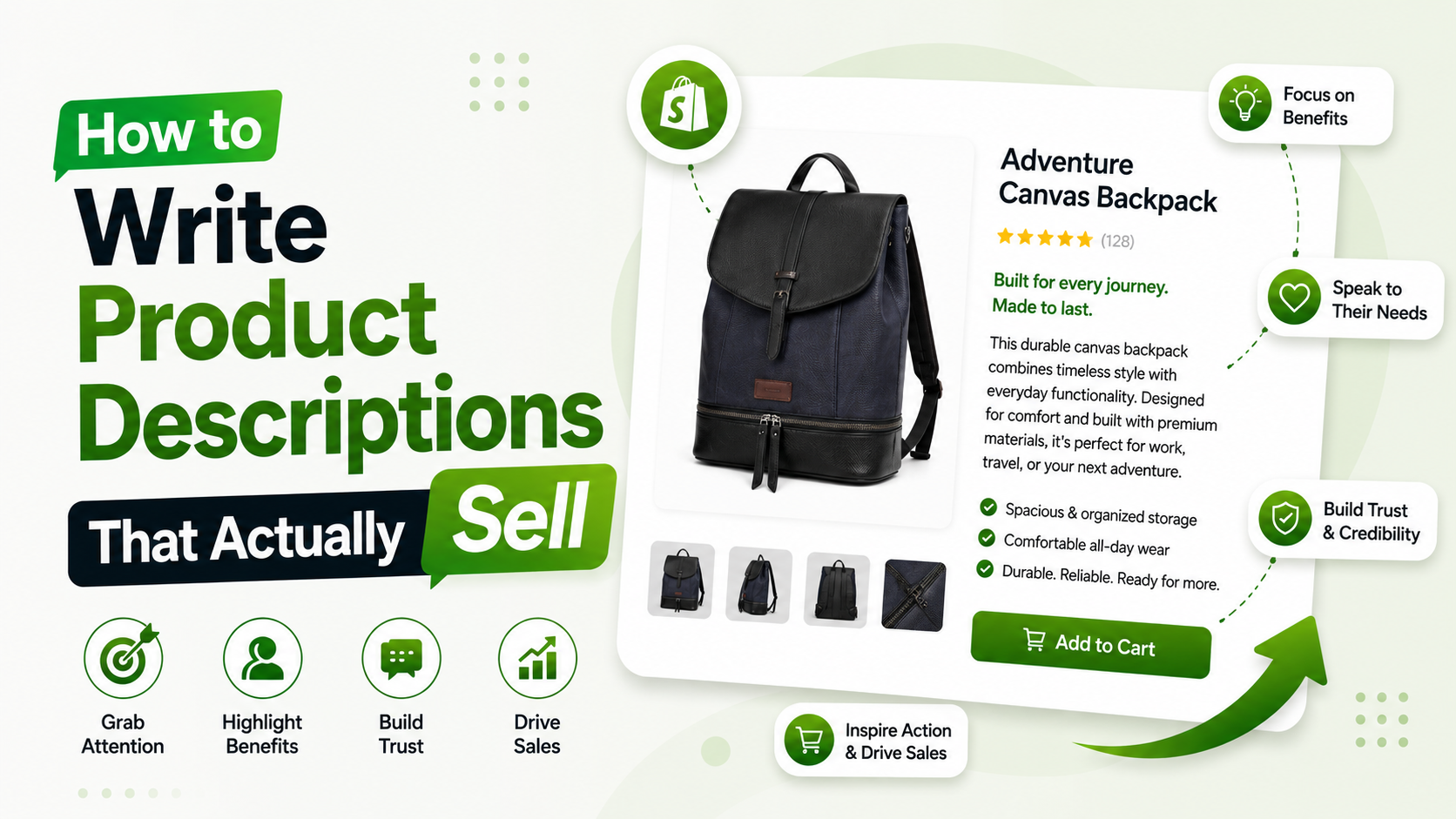
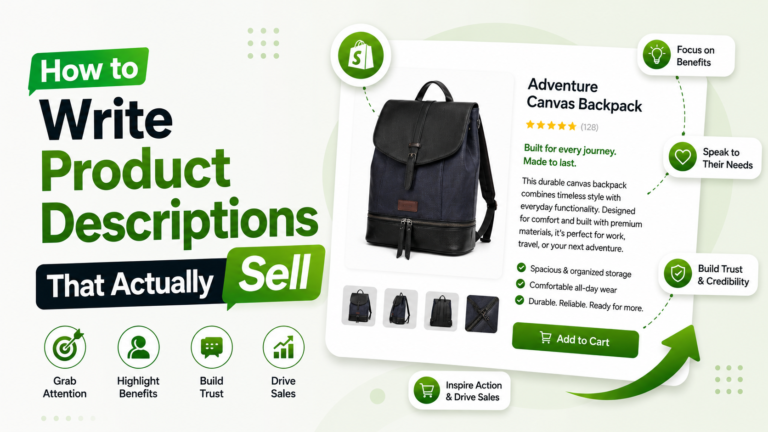
How to Write Product Descriptions That Actually Sell

How to Write Product Descriptions That Actually Sell


Many ecommerce businesses focus heavily on product images, advertising, and SEO, but often overlook one of the most important conversion factors — product descriptions.


A strong product description does more than explain a product. It helps customers understand benefits, builds trust, answers questions, and encourages purchasing decisions. In competitive ecommerce marketplaces, effective product descriptions can directly improve conversions and customer engagement.


At Amz Northland, we help ecommerce brands improve product listings, Amazon content, Shopify stores, infographic visuals, and conversion-focused ecommerce strategies. One common issue we see is product descriptions that either contain too little information or feel overloaded with keywords.


This guide explains how to write product descriptions that attract customers and help increase sales.


Focus on Benefits, Not Just Features

Many sellers simply list product specifications without explaining why those features matter.

Instead of only writing:

• “Adjustable shoulder strap”

• “Water-resistant material”

• “Multiple compartments”

Explain how the product helps the customer.

For example:
“Adjustable shoulder straps provide comfortable carrying for travel, work, and daily use.”

Customers connect more with practical benefits than technical details alone.


Write for Real Customers

Modern ecommerce content should feel natural and easy to understand.

Avoid:

• Overly technical language

• Keyword stuffing

• Robotic sentences

• Long unreadable paragraphs

Customers prefer descriptions that are conversational, clear, and informative.


At Amz Northland, we often recommend using smaller paragraphs because they improve readability for both mobile users and AI-driven search systems.


Understand Customer Intent

Good product descriptions answer common customer questions before purchase.

Customers often want to know:

• How the product is used

• Who the product is designed for

• What makes it useful

• Why it is different from competitors

Descriptions that solve customer doubts usually improve conversion rates.

Understanding customer intent is now an important part of both SEO and AI SEO optimization.


Use Clear & Organized Structure

Large blocks of text often reduce engagement.

Well-structured product descriptions are easier to scan and understand.

Good ecommerce descriptions often include:

• Short introduction

• Product benefits

• Key features

• Usage information

• Material or size details

Organized formatting improves customer experience and keeps visitors engaged longer.


Add Emotional Connection

Customers often purchase products based on emotion as well as functionality.

Strong descriptions help customers imagine:

• Everyday use

• Travel convenience

• Fashion styling

• Gifting opportunities

• Lifestyle benefits

For example, instead of simply saying:
“Large tote bag”

You could write:
“A spacious tote bag designed for shopping, office use, and everyday travel.”

This creates stronger customer connection.


Avoid Overusing Keywords

SEO is important, but excessive keyword repetition can make descriptions feel unnatural.

Modern search engines and AI systems prefer:

• Natural language

• Helpful information

• Readable content

• Contextual relevance

Instead of repeating the same keyword multiple times, use related phrases naturally throughout the description.

This improves both readability and search optimization.


Product Descriptions Should Match Product Images

Descriptions and visuals should support each other.

If product images highlight:

• Compartments

• Materials

• Features

• Product usage

the description should reinforce those same details clearly.

Consistent messaging improves customer understanding and reduces confusion.


Mobile Optimization Matters

Most ecommerce customers now browse products on mobile devices.

Mobile-friendly descriptions should:

• Use short paragraphs

• Avoid large text blocks

• Highlight important information quickly

• Remain easy to scan

Mobile readability directly affects customer engagement and conversions.


Use Trust-Building Language

Customers want confidence before purchasing online.

Descriptions that emphasize:

• Product durability

• Material quality

• Practical functionality

• Everyday usability

often help increase buyer trust.

Clear and honest descriptions usually perform better than exaggerated marketing claims.


AI SEO Is Changing Product Content

AI-driven search systems now analyze:

• Customer intent

• Content quality

• User engagement

• Semantic relevance

Because of this, product descriptions should focus on helping customers rather than simply targeting search engines.

Helpful, conversational, and informative content is becoming more valuable in modern ecommerce SEO.


Final Thoughts

Product descriptions are one of the most powerful tools for improving ecommerce conversions. Strong descriptions help customers understand products, build confidence, and make faster buying decisions.


The most effective ecommerce descriptions combine:

• Clear structure

• Customer-focused language

• Practical benefits

• Natural SEO optimization

• Mobile-friendly formatting

Businesses that improve product content often see stronger engagement, better conversions, and improved long-term ecommerce performance.


At Amz Northland, we help ecommerce brands improve product descriptions, Amazon listings, Shopify SEO, infographic visuals, A+ content, and conversion-focused ecommerce strategies designed for modern online marketplaces.

Archives
Recent Comments

      Request a quote

      Frequently Asked Questions

      Product descriptions help customers understand products, build trust, and improve purchasing decisions.

      Good descriptions are clear, customer-focused, easy to read, and explain practical product benefits.

      Customers connect more with how products improve convenience, usability, or lifestyle.

      SEO helps improve product visibility, but descriptions should still sound natural and helpful.

      Most ecommerce traffic comes from mobile devices, so shorter paragraphs improve readability.

      Clear descriptions reduce customer confusion and increase buying confidence.

      Consistent messaging improves customer understanding and creates a better shopping experience.
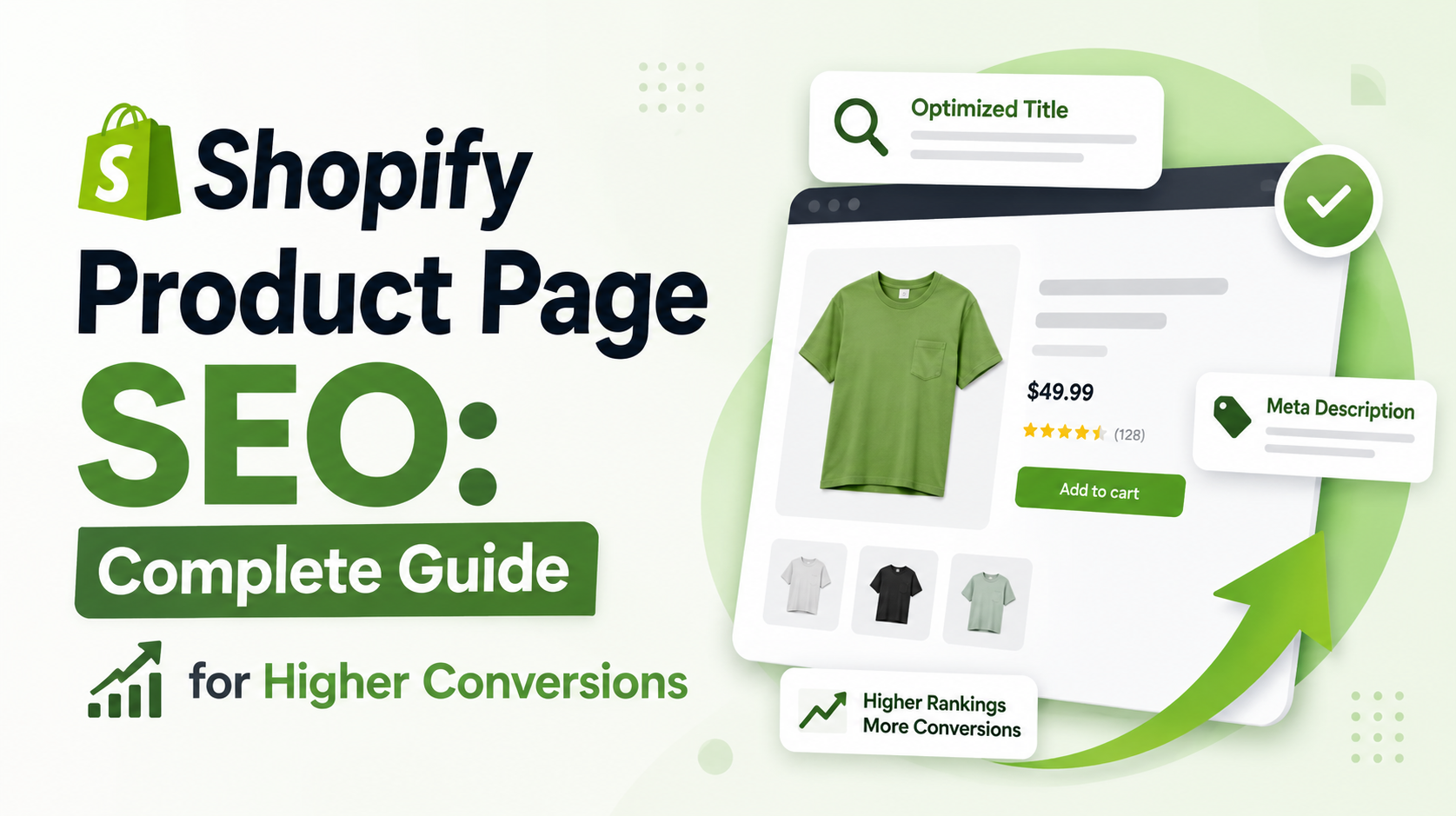
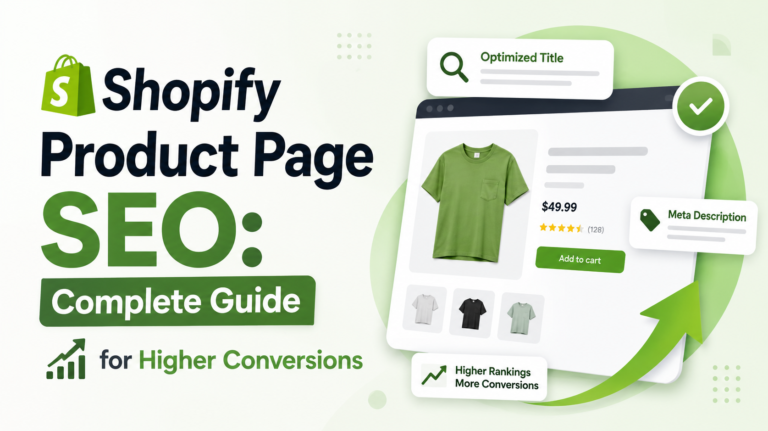
      Shopify Product Page SEO: Complete Guide for Higher Conversions

      Shopify Product Page SEO: Complete Guide for Higher Conversions


      A Shopify store may have great products and attractive designs, but without proper product page SEO, customers may never find those products in search results. Product page optimization is one of the most important parts of ecommerce growth because it directly affects traffic, customer engagement, and conversions.


      Today, Shopify SEO is no longer only about adding keywords. Search engines and AI-driven search systems now focus on customer experience, page quality, mobile usability, content relevance, and conversion behavior.


      At Amz Northland, we help ecommerce businesses improve Shopify SEO, product page optimization, product visuals, conversion-focused content, and overall marketplace performance. One common issue many online stores face is having product pages that look good but fail to rank or convert effectively.


      This guide explains how Shopify product page SEO can improve visibility and increase conversions.


      Optimize Product Titles for Search Visibility

      Product titles are one of the first elements search engines and customers notice.


      A strong Shopify product title should:

      • Clearly describe the product

      • Include important keywords naturally

      • Avoid keyword stuffing

      • Remain easy to read

      For example, instead of using a generic title like:
      “Stylish Bag”


      A better SEO-friendly title could be:
      “Women’s Vegan Leather Tote Bag for Travel & Everyday Use”

      Clear and descriptive titles help both search engines and customers understand products quickly.


      Write Product Descriptions for Customers First

      Many Shopify stores make the mistake of writing descriptions only for search engines.

      Modern SEO works better when product descriptions focus on:

      • Customer questions

      • Product benefits

      • Real-life usability

      • Clear readability


      Instead of simply listing features, explain how the product helps customers.

      Well-structured descriptions often improve:

      • Time spent on page

      • Customer engagement

      • Conversion rates


      At Amz Northland, we often recommend shorter paragraphs and natural language because AI search systems prefer content that feels conversational and informative.


      Use High-Quality Product Images

      Product visuals strongly influence ecommerce performance.


      Professional product photography helps customers better understand:

      • Product appearance

      • Materials

      • Features

      • Size

      • Usage


      Strong visuals often increase:

      • Click-through rates

      • Buyer confidence

      • Conversion rates

      Infographic product images and lifestyle photography can further improve customer engagement on Shopify product pages.


      Optimize Image Alt Text

      Image alt text helps search engines understand product visuals.

      Good alt text should:

      • Describe the image naturally

      • Include relevant keywords

      • Avoid unnecessary repetition

      For example:
      “Women’s black vegan leather tote bag with zipper closure”

      Optimized alt text may also improve visibility in image search results.


      Improve Mobile Shopping Experience

      A large percentage of Shopify traffic comes from mobile devices.

      Mobile-friendly product pages should have:

      • Fast loading speed

      • Easy navigation

      • Clear product images

      • Readable text

      • Simple checkout process

      Mobile optimization directly affects both SEO performance and conversions.

      Customers often leave slow or difficult-to-use product pages quickly.


      Add FAQ Sections to Product Pages

      FAQs help answer customer concerns before purchase.

      They may include:

      • Material details

      • Product dimensions

      • Shipping information

      • Return policies

      • Usage instructions


      FAQ sections can improve:

      • Customer trust

      • Engagement

      • SEO keyword relevance

      AI-driven search systems also prefer structured and informative content.


      Focus on Conversion-Friendly Content

      SEO traffic only matters if visitors convert into customers.

      Effective Shopify product pages should include:

      • Clear product benefits

      • Trust-building content

      • Strong visuals

      • Organized layouts

      • Easy-to-understand information

      Confusing or overcrowded product pages often reduce conversion rates.

      Simple and clean presentation usually performs better.


      Internal Linking Helps SEO

      Internal links help search engines understand website structure and product relationships.

      Shopify stores can improve SEO by linking:

      • Related products

      • Category collections

      • Blog content

      • Buying guides

      For example:

      • Tote bag pages linking to travel bag collections

      • Wallet pages linking to handbag collections

      Internal linking improves navigation and supports better website indexing.


      Page Speed Affects Rankings & Conversions

      Slow-loading Shopify pages can reduce:

      • Search visibility

      • Customer engagement

      • Conversion rates

      Common ways to improve speed include:

      • Compressing images

      • Reducing unnecessary apps

      • Using optimized themes

      • Simplifying page design

      Faster websites usually create better user experience and stronger SEO performance.


      AI SEO Is Changing Ecommerce Optimization

      Modern ecommerce SEO is increasingly influenced by:

      • AI-driven search

      • Conversational search behavior

      • User engagement signals

      • Semantic relevance

      • Mobile-first indexing


      Because of this, Shopify product pages should focus on:

      • Natural language

      • Helpful content

      • Customer intent

      • Visual clarity

      • Product understanding

      Keyword stuffing is becoming less effective compared to high-quality customer-focused content.


      Build Trust with Reviews & Social Proof

      Customer reviews help improve both SEO and conversions.

      Positive reviews increase:

      • Buyer confidence

      • Product credibility

      • Customer trust

      Reviews also add fresh user-generated content to product pages, which may support long-term SEO performance. Social proof has become extremely important in ecommerce decision-making.


      Final Thoughts

      Shopify product page SEO is about much more than rankings. Strong product pages help businesses attract traffic, improve customer engagement, and increase conversions.


      Modern ecommerce SEO combines:

      • Search optimization

      • Mobile usability

      • Product visuals

      • Customer-focused content

      • Conversion strategy


      Businesses that optimize product pages for both search engines and customers are more likely to achieve sustainable ecommerce growth.


      At Amz Northland, we help ecommerce businesses improve Shopify SEO, product page optimization, infographic images, product photography, A+ content, and conversion-focused ecommerce strategies for modern online marketplaces.

      Archives
      Recent Comments

          Request a quote

          Frequently Asked Questions

          It helps improve product visibility, customer engagement, and ecommerce conversions.

          Clear and keyword-focused titles help search engines and customers understand products more easily.

          Well-written descriptions explain product benefits and help customers make buying decisions.

          High-quality visuals improve customer engagement, click-through rates, and buyer confidence.

          Alt text describes images for search engines and can improve image search visibility.

          Most ecommerce traffic now comes from mobile devices, making mobile usability critical for SEO and conversions.

          FAQs improve customer understanding and add relevant keyword-rich content to product pages.

          How Professional Photography Improves Your Marketplace SEO

          How Professional Photography Improves Your Marketplace SEO


          In ecommerce marketplaces like Amazon, Walmart, Etsy, and Shopify, customers often decide within seconds whether to click on a product listing. Before reading descriptions or reviews, shoppers usually notice the product images first.


          This is why professional photography has become one of the most important parts of ecommerce success. High-quality visuals not only make listings look better but also help improve customer engagement, conversions, and marketplace visibility.


          At Amz Northland, we help ecommerce brands and Amazon sellers improve product listings through professional product photography, infographic images, A+ content, and conversion-focused marketplace strategies.


          First Impressions Affect Click-Through Rates

          Product images are often the first thing customers see in search results. Clean and professional visuals help listings stand out in crowded marketplaces.

          Better images usually increase:

          • Click-through rates

          • Customer attention

          • Product visibility

          • Buyer confidence

          Marketplace algorithms track customer behavior, so listings with stronger engagement may perform better in search rankings.


          Better Visuals Improve Conversions

          Customers cannot physically inspect products while shopping online. Because of this, images play a major role in buying decisions.

          Professional photography helps customers better understand:

          • Product quality

          • Materials

          • Size

          • Features

          • Product usage

          When buyers clearly understand a product, they are more likely to complete purchases instead of leaving the listing.


          Infographic Images Help Explain Products Faster

          Modern ecommerce shoppers prefer quick and visual information.

          Infographic images help explain:

          • Product features

          • Dimensions

          • Storage capacity

          • Material details

          • Product benefits

          This improves customer understanding without requiring long paragraphs of text.

          At Amz Northland, many Amazon sellers use infographic product images to improve listing performance and customer engagement.


          Mobile Shopping Makes Photography More Important

          A large percentage of ecommerce traffic now comes from mobile devices.

          Mobile shoppers usually scroll quickly and prefer:

          • Easy-to-read visuals

          • Clean layouts

          • Simple product explanations

          • Organized image galleries

          Professional photography helps products appear clearer and more attractive on smaller screens.


          Lifestyle Images Increase Buyer Confidence

          Lifestyle photography helps customers imagine products in real-world situations.

          For example:

          • Handbags shown during travel

          • Tote bags used for shopping

          • Office bags shown in work environments

          • Fashion accessories styled with outfits

          These visuals create stronger emotional connection and often improve conversion rates.


          Better Images Can Reduce Product Returns

          Many ecommerce returns happen because customers misunderstand:

          • Product size

          • Color

          • Material

          • Functionality

          Professional product photography helps present products more accurately.

          Clear visuals often lead to:

          • Better customer expectations
          • Higher satisfaction
          • Lower return rates
          • Stronger reviews

          Positive customer experience can support long-term marketplace growth.


          Professional Photography Strengthens Brand Identity

          Consistent product visuals help ecommerce businesses appear more professional and trustworthy.

          Brands using:

          • Clean product photography

          • Consistent editing styles

          • Organized infographic layouts

          • Professional presentation

          often build stronger customer recognition.

          In competitive marketplaces, branding plays an important role in customer trust and repeat purchases.


          AI Search & Visual SEO Are Changing Ecommerce

          Modern ecommerce platforms increasingly use:

          • AI-driven search systems

          • Visual recommendation tools

          • Customer behavior analysis

          • Mobile-first ranking signals

          Because of this, strong visual content is becoming more important for marketplace visibility.


          Listings with high-quality product photography often achieve:

          • Better engagement

          • Longer customer interaction

          • Higher conversions

          • Improved marketplace performance

          Visual optimization is now part of modern ecommerce SEO strategy.


          Professional photography is no longer optional for ecommerce sellers. High-quality visuals help improve customer trust, conversions, click-through rates, and marketplace visibility.


          As ecommerce competition continues growing, businesses that invest in better product photography and infographic visuals are more likely to achieve stronger long-term results.


          At Amz Northland, we help ecommerce brands improve product photography, Amazon listings, A+ content, infographic images, and marketplace optimization strategies designed for modern SEO and AI-driven ecommerce search.

          Archives
          Recent Comments

              Request a quote

              Frequently Asked Questions

              Professional visuals improve customer trust, product understanding, and overall marketplace performance.

              Better images improve click-through rates, engagement, and conversions, which may help improve marketplace visibility.

              Infographics explain product features and benefits quickly through visual communication.

              Mobile shoppers prefer clean and easy-to-understand visuals because they browse quickly on smaller screens.

              Yes. Clear product images help customers make faster and more confident buying decisions.

              Lifestyle photos help customers visualize how products are used in real-life situations.

              Accurate visuals help customers better understand products before purchasing, reducing confusion and returns.

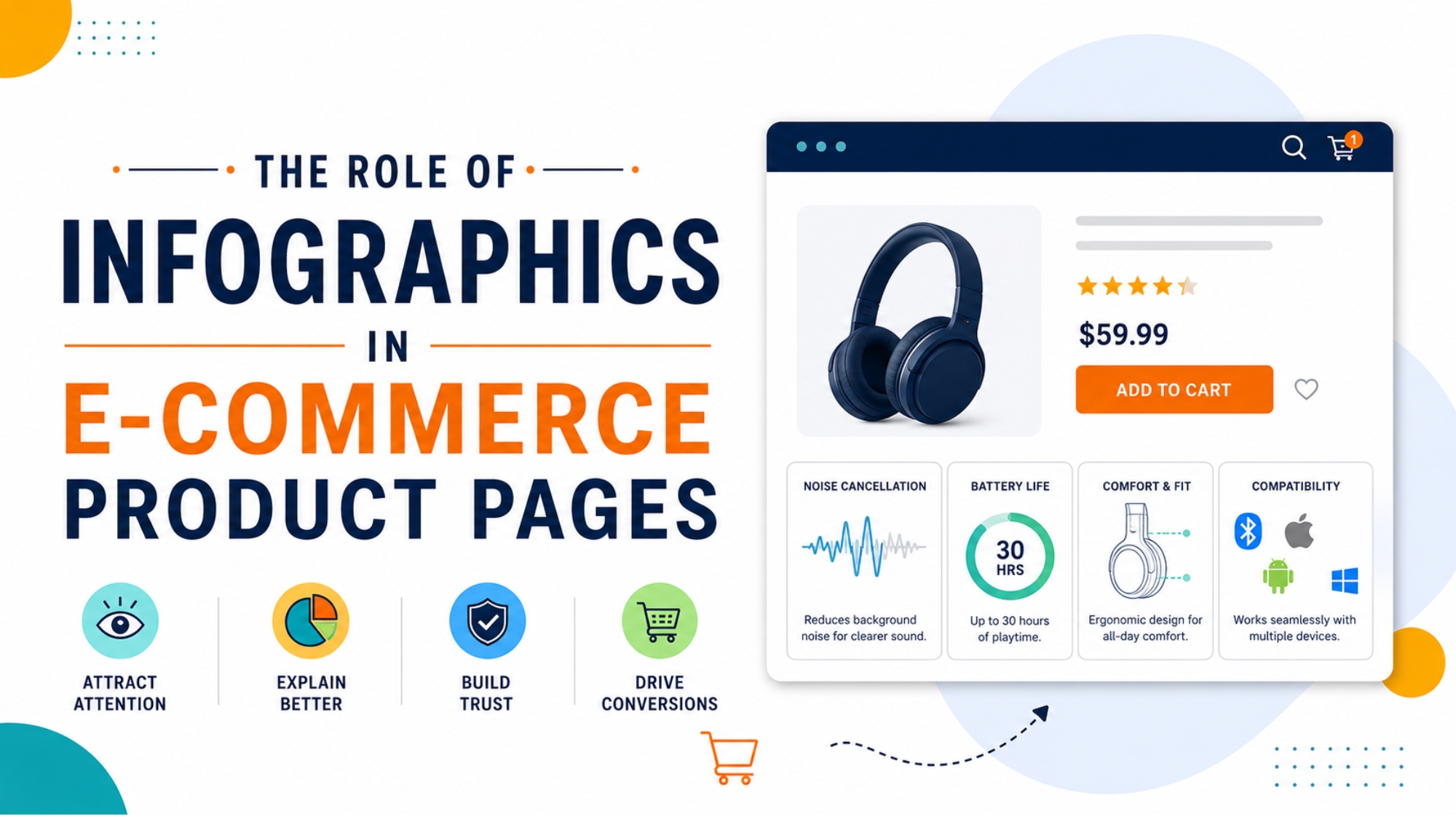
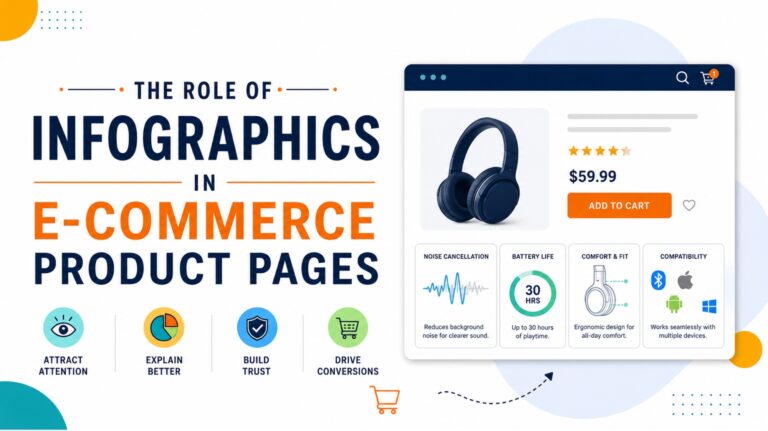
              The Role of Infographics in E-Commerce Product Pages

              The Role of Infographics in E-Commerce Product Pages


              In the fast-moving world of e-commerce, customers rarely spend time reading long descriptions. Instead, they scan pages quickly to find the information they need before making a decision. This shift in behaviour has made visual communication more important than ever. E-commerce infographics have emerged as a powerful tool that helps brands present information in a clear, engaging, and visually appealing way, making product page design more effective and conversion-focused.


              E-commerce infographics play a crucial role in simplifying complex information. When product features, specifications, or benefits are presented in text-heavy formats, customers may lose interest or feel overwhelmed. By transforming this information into visual elements, infographics make it easier for users to quickly understand what the product offers. This clarity directly supports product page optimization and helps improve conversion rate in e-commerce.


              Another important advantage of using infographic marketing is the improvement in visual appeal. A product page filled only with text can feel dull and uninviting, while a page that incorporates well-designed visuals instantly becomes more attractive. A strong product page design that includes infographics encourages users to stay longer and explore the content more deeply.


              Infographics also significantly enhance customer engagement. Because they are visually appealing and easy to consume, users are naturally drawn to them. This increases the amount of time customers spend on a page, which positively impacts product page optimization. Higher engagement levels often lead to better conversion rate and ecommerce performance.


              One of the strongest benefits of ecommerce infographics is their ability to communicate value instantly. Within seconds, they can highlight key features, benefits, and unique selling points. This is especially important in competitive markets where customers are comparing multiple options. Quick and clear communication helps improve the conversion rate of e-commerce by reducing hesitation.


              Infographics are also highly effective for mobile users. As more shoppers browse on their phones, content must be easy to scan and understand. A product page design that incorporates infographics ensures information is presented in a compact and structured way, enhancing the overall user experience and supporting product page optimization.


              Another key role of infographic marketing is strengthening brand identity. Consistent use of colours, fonts, and visual styles creates a recognizable brand image. This consistency builds trust and improves recall, which is essential for long-term success in e-commerce.


              In addition, e-commerce infographics help reduce bounce rates by making content more engaging and accessible. When users quickly find valuable information presented clearly, they are more likely to stay on the page. This improved engagement directly contributes to product page optimization.


              Infographics also increase shareability. Visually appealing content is more likely to be shared across social media platforms, bringing additional traffic to your store. This extended reach supports infographic marketing efforts and helps boost visibility and sales.


              Ultimately, e-commerce infographics support better decision-making by presenting information in a clear and structured way. When customers feel informed and confident, they are more likely to complete a purchase. This directly helps improve the conversion rate of e-commerce and enhances overall performance.


              E-commerce infographics are an essential part of modern product page design. They simplify complex information, improve engagement, and support better decision-making. By incorporating infographic marketing into your strategy, you can achieve stronger product page optimization and consistently improve conversion rate in e-commerce.


              🚀 Partner with Amz Northland to grow your business with smarter strategies, better marketplace management, and long-term success.

              Archives
              Recent Comments

                  Request a quote

                  Frequently Asked Questions

                  E-commerce infographics are visual tools used in product page design to explain features and benefits quickly and effectively.

                  Yes, they help improve conversion rate of e-commerce by making information clear, engaging, and easy to understand.

                  They can be used throughout product page design, including images, feature sections, and descriptions to support product page optimization.

                  Yes, e-commerce infographics are highly effective on mobile devices because they present information in a compact format.

                  Absolutely, strong infographic marketing improves engagement and helps improve conversion rate in e-commerce, leading to higher sales.