


Client Spotlight: 200% Growth in 90 Days

Client Spotlight: 200% Growth in 90 Days

Client Spotlight: 200% Growth in 90 Days


Every successful ecommerce business has a story behind its growth. While some brands achieve gradual success over several years, others experience rapid transformation when they implement the right strategy at the right time. This client spotlight highlights how a business achieved 200% growth in just 90 days by focusing on marketplace optimization, data-driven decision-making, and continuous improvement.


Although every business has unique challenges, the principles behind this success can be applied to sellers across multiple ecommerce marketplaces. With a structured approach to SEO, GEO (Generative Engine Optimization), and AEO (Answer Engine Optimization), businesses can improve product visibility, attract qualified customers, and increase long-term profitability.


The Challenge

The client operated in a competitive ecommerce niche with quality products but struggled to gain consistent visibility. Product listings generated traffic, but conversion rates remained below expectations. Inventory planning was inconsistent, advertising costs were increasing, and organic rankings had started to decline.


The business needed a strategy that would improve marketplace performance while creating sustainable growth instead of relying solely on paid advertising.


After evaluating sales data, customer behavior, keyword performance, and marketplace trends, a comprehensive optimization plan was developed to address the underlying issues affecting growth.


Building a Growth Strategy

The first step was conducting a complete review of the client’s ecommerce presence. Product listings, keywords, images, pricing strategy, customer feedback, advertising campaigns, and inventory management were carefully analyzed.


Instead of making random adjustments, every recommendation was supported by data and aligned with customer search intent.


The optimization strategy focused on improving product discoverability while creating a better shopping experience for potential buyers. This balanced approach allowed both organic visibility and conversion rates to improve simultaneously.


Improving Product Visibility

One of the biggest opportunities was enhancing listing quality. Product titles were refined using relevant search terms, descriptions were rewritten to answer customer questions more effectively, and product features were presented in a clear and engaging format.


High-quality product images were updated to showcase important product details while improving customer confidence.


The content was also optimized for conversational search queries, making it easier for AI-powered search engines and answer engines to understand and recommend the listings. This modern optimization approach supported stronger performance across both traditional search and emerging AI search experiences.


Optimizing Customer Experience

Increasing traffic alone does not guarantee higher sales. Visitors must also feel confident enough to complete a purchase.

The client focused on improving every stage of the customer journey. Product information became easier to understand, frequently asked questions were addressed directly within listings, and inventory availability was carefully monitored to prevent stock shortages.


Customer inquiries received faster responses, and continuous monitoring helped identify opportunities to improve buyer satisfaction. These improvements contributed to stronger customer trust and higher conversion rates throughout the campaign.


Measuring Continuous Performance

Rather than waiting until the end of the campaign, performance was monitored weekly. Key metrics including organic rankings, click-through rates, advertising efficiency, conversion rates, customer feedback, and sales performance were reviewed regularly.


This allowed small adjustments to be made before problems affected overall performance. Seasonal trends, competitor activity, and customer behavior were also considered when refining the strategy.


Continuous optimization ensured the business remained competitive throughout the entire 90-day period.


The Results

Within just three months, the business experienced significant improvements across multiple performance indicators.


Organic visibility increased as listings ranked for more relevant search terms. Conversion rates improved because customers found clearer product information and a better shopping experience. Advertising campaigns became more efficient, reducing unnecessary spending while generating stronger returns.


Most importantly, overall sales increased by 200% within 90 days, creating a stronger foundation for long-term ecommerce growth.


Although every business produces different results, this case demonstrates the value of combining marketplace expertise with consistent optimization and data-driven decision-making.


Lessons for Every Ecommerce Business

Rapid growth is rarely the result of a single tactic. Instead, it comes from improving multiple aspects of an ecommerce business simultaneously.


Businesses that invest in high-quality listings, customer experience, keyword optimization, inventory planning, and ongoing performance analysis position themselves for stronger marketplace success.


SEO helps products become more discoverable through traditional search engines. GEO improves visibility within AI-generated search experiences, while AEO ensures product content directly answers customer questions. Together, these strategies create a more effective digital presence that supports sustainable growth.


Conclusion

Growing an ecommerce business requires more than attracting visitors. Success depends on creating exceptional customer experiences, continuously improving marketplace performance, and adapting to evolving search technologies.


At AMZ Northland, we partner with ecommerce businesses to develop customized strategies that improve product visibility, increase conversions, optimize marketplace performance, and support long-term growth. Whether your goal is to launch a new product, expand into new marketplaces, or improve existing sales performance, our experienced team provides practical solutions designed to help your business achieve measurable results.

Archives
Recent Comments

      Request a quote

      Frequently Asked Questions

      The growth resulted from improved product listings, keyword optimization, enhanced customer experience, data-driven decision-making, and continuous marketplace optimization.

      Results vary depending on the industry, competition, products, and strategy, but consistent optimization significantly improves growth potential.

      SEO helps products rank higher in marketplace and search engine results, increasing visibility and attracting qualified customers.

      Generative Engine Optimization creates content that AI-powered search engines can easily understand, summarize, and recommend to users.

      Answer Engine Optimization focuses on providing clear answers to customer questions, improving visibility in AI-generated responses and voice search.

      Continuous monitoring helps identify trends, improve conversions, optimize advertising, and respond quickly to changing customer behavior.

      AMZ Northland provides professional ecommerce consulting, marketplace optimization, Amazon growth strategies, inventory planning, and performance analysis to help businesses achieve sustainable long-term success.
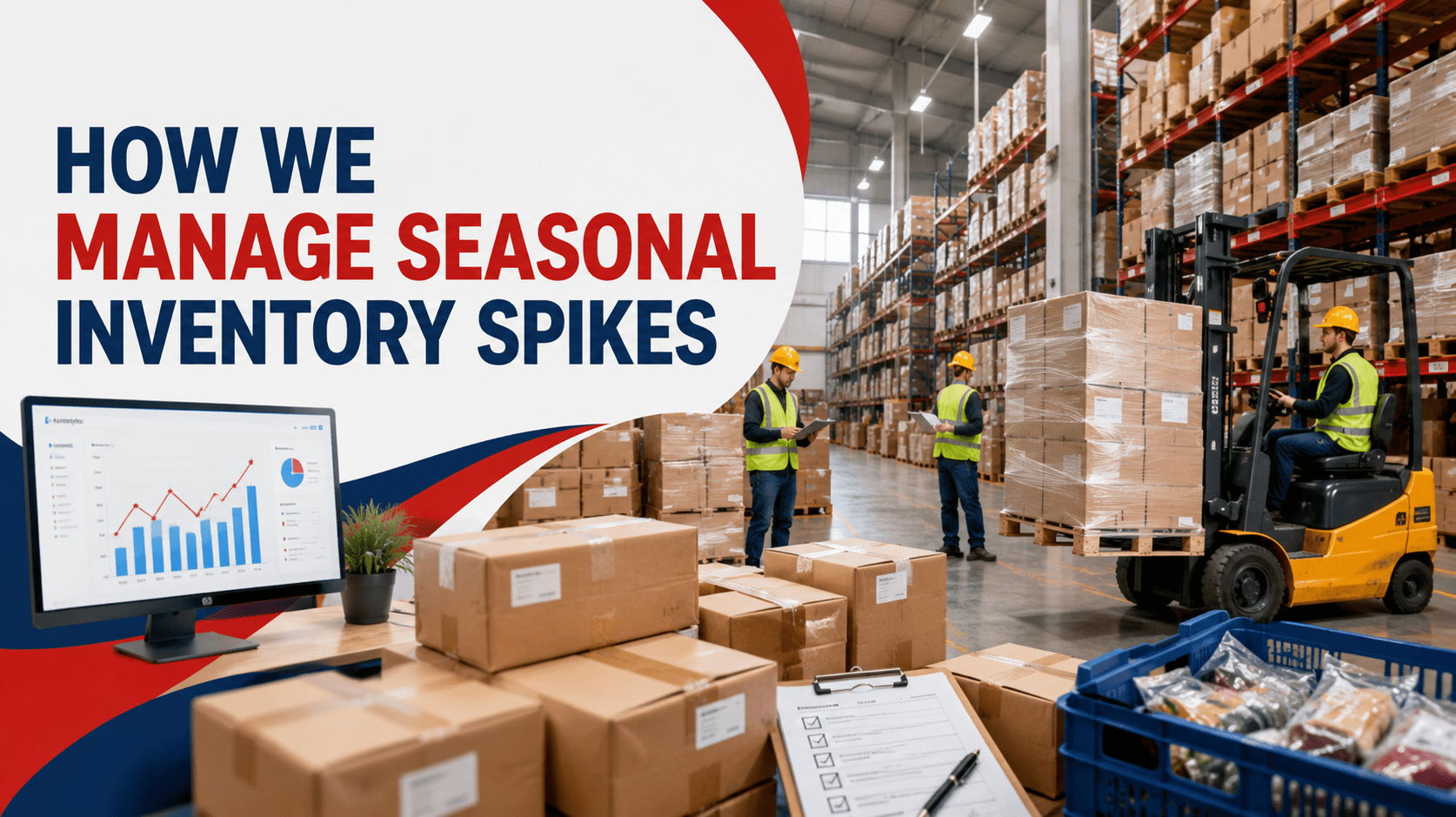
      How We Manage Seasonal Inventory Spikes

      Manage Seasonal Inventory Spikes

      How We Manage Seasonal Inventory Spikes


      Seasonal demand can create enormous opportunities for ecommerce businesses, but it can also become one of the biggest operational challenges. Peak shopping periods such as Black Friday, Cyber Monday, Christmas, back-to-school season, and holiday promotions often lead to sudden increases in customer orders. Without proper inventory planning, businesses risk stockouts, delayed deliveries, excess inventory, and lost revenue.


      At AMZ Northland, we understand that effective inventory management is essential for maintaining customer satisfaction and supporting long-term business growth. Our inventory strategies combine data analysis, marketplace insights, SEO, GEO (Generative Engine Optimization), and AEO (Answer Engine Optimization) best practices to help ecommerce brands stay prepared for seasonal demand.


      Understanding Seasonal Demand Patterns

      Successful inventory management begins with understanding customer buying behavior. Seasonal trends rarely happen without warning. Historical sales reports, marketplace data, customer purchasing habits, and industry trends provide valuable insights into future demand.


      Rather than reacting when sales begin to increase, businesses should forecast demand months in advance. Accurate forecasting allows companies to prepare inventory levels, coordinate with suppliers, and optimize warehouse operations before peak seasons begin.


      Using predictive analytics also helps businesses identify which products are likely to experience the highest demand while reducing unnecessary investment in slow-moving inventory.


      Forecasting Inventory with Real-Time Data

      Modern ecommerce relies heavily on data-driven decision-making. Sales history alone is no longer enough to predict future demand accurately.


      At AMZ Northland, we evaluate multiple data sources, including seasonal sales trends, keyword search volume, advertising performance, customer demand, marketplace insights, and inventory turnover rates. Combining these data points creates more reliable inventory forecasts that reduce uncertainty during peak seasons.


      Real-time monitoring also allows businesses to adjust inventory strategies as customer behavior changes throughout promotional events.


      Maintaining the Right Inventory Balance

      One of the biggest challenges during seasonal promotions is balancing inventory levels. Ordering too little inventory can result in stockouts, missed sales opportunities, and lower marketplace rankings. Ordering too much can increase storage costs and tie up valuable capital.


      A strategic inventory management plan focuses on maintaining optimal stock levels while keeping replenishment cycles efficient. Businesses should establish reorder points, maintain safety stock for high-demand products, and continuously monitor inventory performance throughout the season.


      This balanced approach minimizes risk while ensuring customers receive products without unnecessary delays.


      Coordinating Supply Chain Operations

      Inventory management extends beyond warehouse shelves. Suppliers, manufacturers, shipping partners, and fulfillment centers all play critical roles during seasonal demand spikes.


      Strong communication with supply chain partners helps reduce disruptions and improve delivery timelines. Businesses should confirm production schedules early, monitor supplier performance, and prepare contingency plans for unexpected delays.


      Diversifying suppliers and planning shipments in advance also reduces dependence on a single source, creating greater flexibility during high-demand periods.


      Optimizing Listings During Seasonal Campaigns

      Seasonal inventory performs best when customers can easily discover products. Well-optimized product listings improve visibility during periods of increased search activity.


      Businesses should update seasonal keywords, refresh product descriptions, improve product images, and answer common customer questions directly within their listings. These optimization techniques support traditional Amazon SEO while also improving GEO and AEO performance across AI-powered search platforms and voice search technologies.


      Providing complete, accurate, and informative product content encourages higher engagement, stronger conversion rates, and improved marketplace visibility.


      Monitoring Performance Throughout the Season

      Inventory management does not stop after products are stocked. Continuous monitoring allows businesses to respond quickly to changing demand.


      Performance indicators such as inventory turnover, daily sales velocity, advertising performance, stock availability, and customer feedback should be reviewed regularly. These insights help businesses identify products that require additional inventory, pricing adjustments, or promotional support.


      Real-time optimization ensures inventory remains aligned with customer demand throughout the entire sales season.


      Preparing for Future Seasonal Success

      Every seasonal campaign provides valuable insights for future planning. Reviewing sales performance, inventory accuracy, customer behavior, and fulfillment efficiency helps businesses refine their strategies for the next peak season.


      Continuous improvement enables ecommerce brands to reduce costs, improve operational efficiency, and deliver better customer experiences year after year.


      Businesses that combine forecasting, data analysis, and ongoing optimization are better positioned to achieve sustainable ecommerce growth regardless of seasonal fluctuations.


      Conclusion

      Seasonal inventory spikes present significant opportunities for ecommerce businesses, but success depends on preparation, accurate forecasting, and proactive inventory management. By leveraging real-time data, optimizing product listings, strengthening supply chain coordination, and monitoring marketplace performance, businesses can confidently meet customer demand during even the busiest shopping seasons.


      At AMZ Northland, we help ecommerce businesses develop customized inventory management strategies that improve operational efficiency, reduce stock-related risks, and maximize sales opportunities. Our experienced team works closely with brands to build scalable ecommerce solutions that support long-term growth while ensuring businesses remain prepared for every seasonal demand cycle.

      Archives
      Recent Comments

          Request a quote

          Frequently Asked Questions

          Seasonal inventory spikes occur during periods of increased customer demand, including holidays, promotional events, and special shopping seasons.

          Forecasting helps businesses estimate future demand, maintain appropriate stock levels, and reduce the risk of stockouts or excess inventory.

          Businesses should monitor inventory regularly, maintain safety stock, establish reorder points, and work closely with suppliers before peak seasons.

          SEO improves product visibility during high-demand periods, allowing customers to discover products more easily through marketplace and search engine results.

          GEO helps optimize content for AI-powered search engines, while AEO improves visibility by providing clear answers to customer questions in conversational search experiences.

          Inventory should be monitored continuously during peak seasons using sales trends, stock levels, advertising performance, and customer demand data.

          AMZ Northland provides expert ecommerce consulting, inventory planning, marketplace optimization, and data-driven growth strategies that help businesses improve efficiency, meet seasonal demand, and achieve long-term success.